








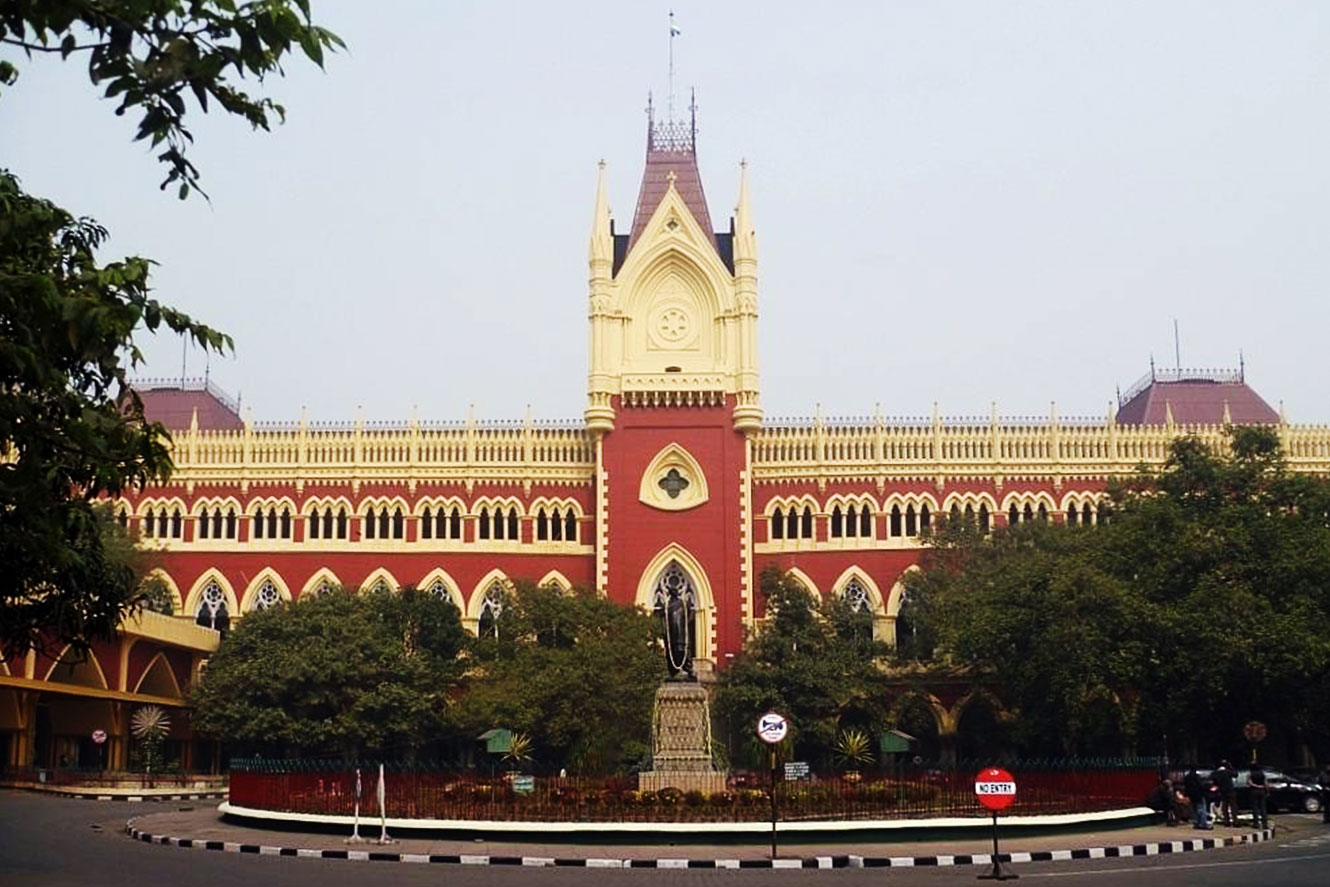
Calcutta High Court: Debangsu Basak, J., directed the State to videograph the Post-Mortem of the petitioners son suspected to have died due to COVID-19 and alleged to be subjected to medical negligence.
Medical Negligence
Senior Advocate, Bikash Ranjan Bhattacharya appearing on behalf of the petitioners submitted that petitioners son died due to medical negligence.
Two hospitals had refused for admission to the deceased son of petitioners and later when he was admitted at Calcutta Medical college on the same day he lost his life.
Petitioners filed a police complaint and submitted that they should be allowed to be present for their son’s post mortem and later the mortal remains of the son be made over to them for performing the last rites.
Advocate General appearing for the State submitted that police authorities are investigating and thus petitioners cannot be allowed to be present in the Post Mortem. Authorities will follow the ICMR guidelines in conducting the Post Mortem and also in dealing with the dead-body.
When the deceased was taken for treatment to a Nursing Home, COVID Test was conducted, wherein he was found COVID-19 positive, after which being taken to other clinical establishments he was refused from being admitted.
Bench stated that given the fact that the State is not averse to conducting a Post Mortem it would be appropriate to permit the State Authorities to conduct Post mortem on the deceased and videograph the same.
Upon Post Mortem being completed, the State Authorities will permit the petitioners to see mortal remains of the son. The State Authorities will also permit the petitioners to undertake such religious rituals as are permitted by ICMR guidelines on the deceased.
Given the nature of the pandemic presently, it would be prudent to err in favour of caution, if one is required to err.
Mortal remains & Dead-body Management
Petitioners should be allowed to perform the last rites in accordance with the COVID-19 guidelines on dead-body management.
The State is not averse to the petitioners performing such last rites. The State does not want the petitioners to accompany the dead-body to the crematorium since the crematorium, according to the State is a designated COVID-19 crematorium and that State requires presence of persons at the minimum.
Adding to its conclusion, Court stated that, the State will allow the petitioners to view the mortal remains of the son after the Post Mortem and to perform the last rites at a place to be designated by the State.
It is clarified that the Court did not decide the issue as to whether the deceased died due to COVID-19 or not.[Srabani Chatterjee v. State of W.B., 2020 SCC OnLine Cal 1206 , decided on 14-07-2020]









0 replies