








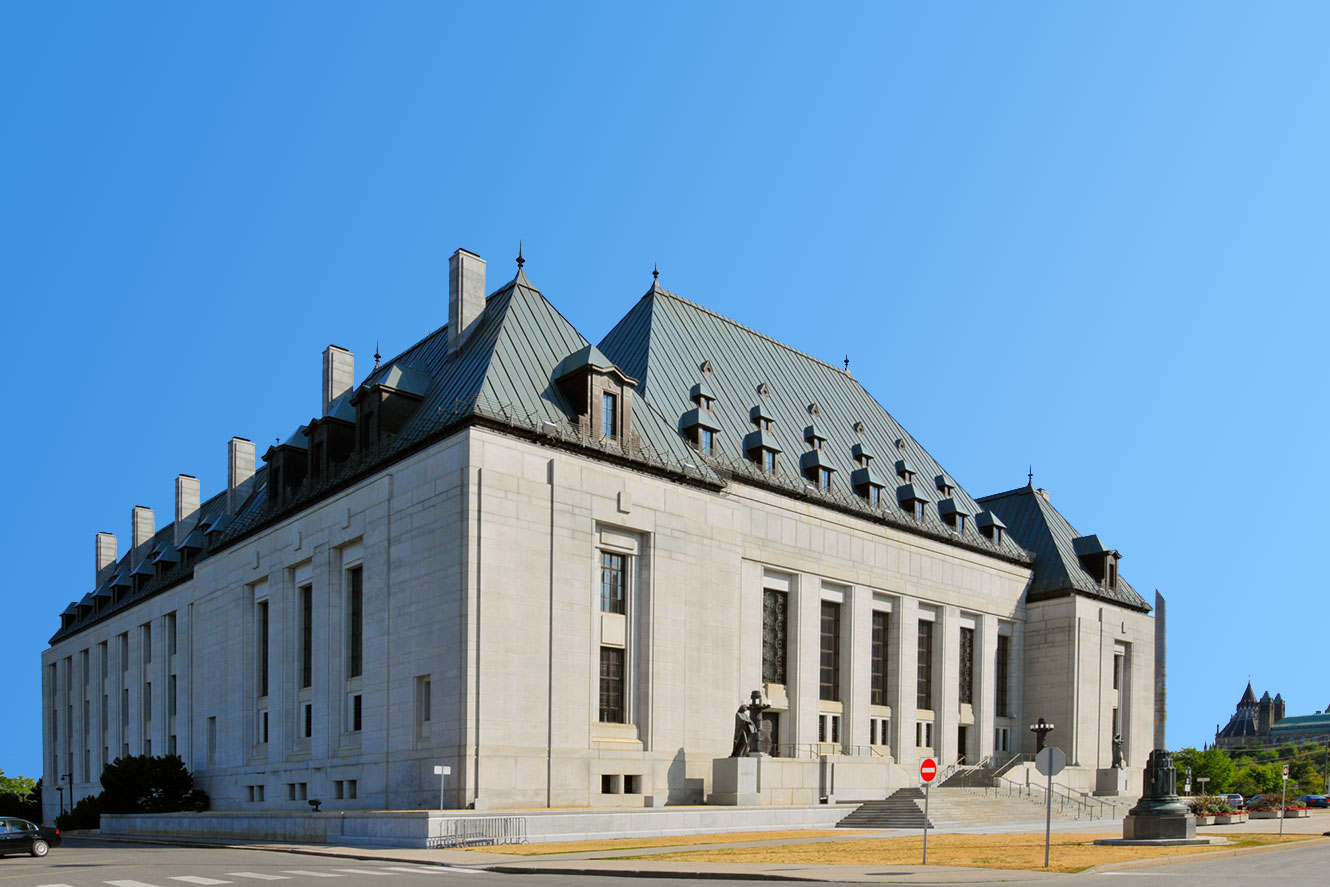
Supreme Court of Canada: A Nine-Judge Bench comprising of Wagner C.J., and Abella, Moldaver, Karakatsanis, Gascon, Côté, Brown, Rowe and Martin, JJ. while hearing an appeal against the dismissal of guards by the Speaker of Legislature, ruled the act of dismissal to not be covered by parliamentary privilege.
In 2012, three security guards employed by the National Assembly of Québec were dismissed by the President of the National Assembly for using their employer’s cameras to observe activities inside nearby hotel rooms. The guards grieved their dismissals before a labour arbitrator who ruled in their favour. In a review filed by the Speaker, the court held his action to be covered under privilege. The Court of Appeal disagreed and ruled against him, saying that parliamentary privilege did not apply. The present appeal arises against this decision of Court of Appeal.
The President of National Assembly contended that his decision to fire the guards was covered by parliamentary privileges, being (i) privilege over management of employees, and (ii) privilege to exclude strangers from the National Assembly. While both the parties agreed on the fact of inherent nature existence of is a necessary privilege, they disagreed on whether it covered firing of the guards.
Supreme Court held that dismissal of the guards was not protected by parliamentary privilege and therefore not immune from external review under the applicable labour relations regime. The inherent nature of parliamentary privilege means that its existence and scope is necessary for the Legislature to fulfill its constitutional role. The party seeking to rely on immunity from external review conferred by parliamentary privilege bears the burden of establishing its necessity.
In view of the above, the appeal was dismissed holding that although the President was entitled to exercise his management rights and dismiss security guards for a just and sufficient cause, parliamentary privilege did not insulate his decision from review under the labour laws to which the guards were subject. [Jacques Chagnon v. Syndicat de la fonction publique et parapublique du Québec, 2018 SCC 39, decided on 05-10-2018]









0 replies