








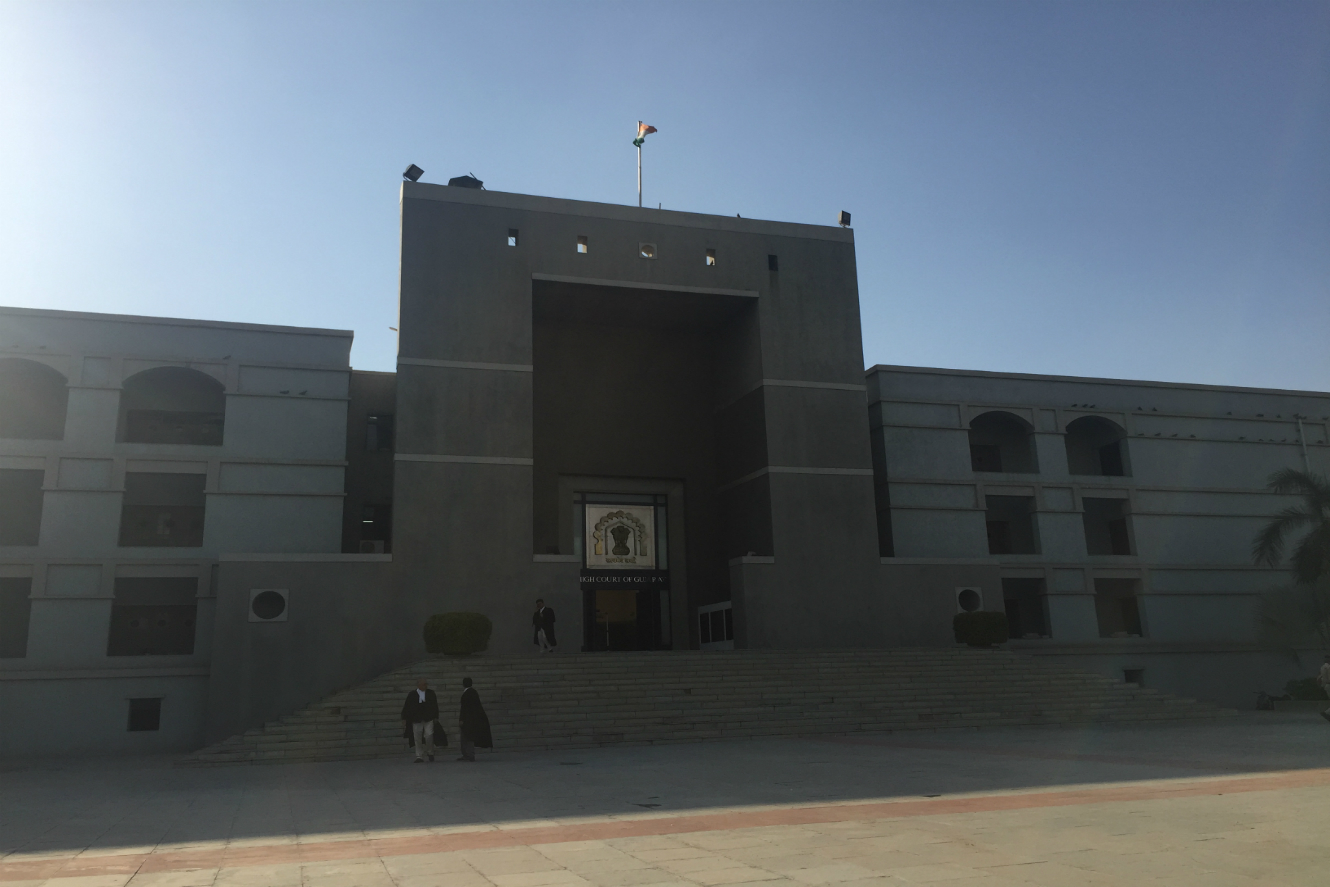
Gujarat High Court: The Bench comprising of R. Subhash Reddy, CJ and Vipul M. Pancholi, J, dismissed the letters patent appeal at the stage of admission as being devoid of merits, filed under Articles 226 and 227 of the Constitution, to issue writ of certiorari or other appropriate writ, to quash and set aside competitive bidding process, initiated by respondents, and also to stay the operation, implementation and execution of the order of Gujarat Electricity Regulatory Commission. Hence, it was challenged that in absence of final guidelines issued by Government, no bidding could be initiated for fixation of tariff, since it is contrary to policy notified by Ministry of Power.
The Court relying on Energy Watchdog v. Central Electricity Regulatory Commission, rejected the contention and held that in view of draft guidelines, competitive bidding process for fixation of tariff could be initiated since it will help to keep the tariff low, and the tariff decided by Commission will act as a ceiling tariff, and also held that where there are no guidelines framed, then the Commission’s power is not curtailed. The Court also observed that in case of any deviation between RFs, PPA, PSA and the final guidelines, the former would prevail, and in absence of the latter, provisional guidelines can be acted upon. [Indian Wind Energy Association v. Gujarat Urja Vikas Nigam Limited, 2017 SCC OnLine Guj 1335, decided on 14-11-2017]









0 replies