








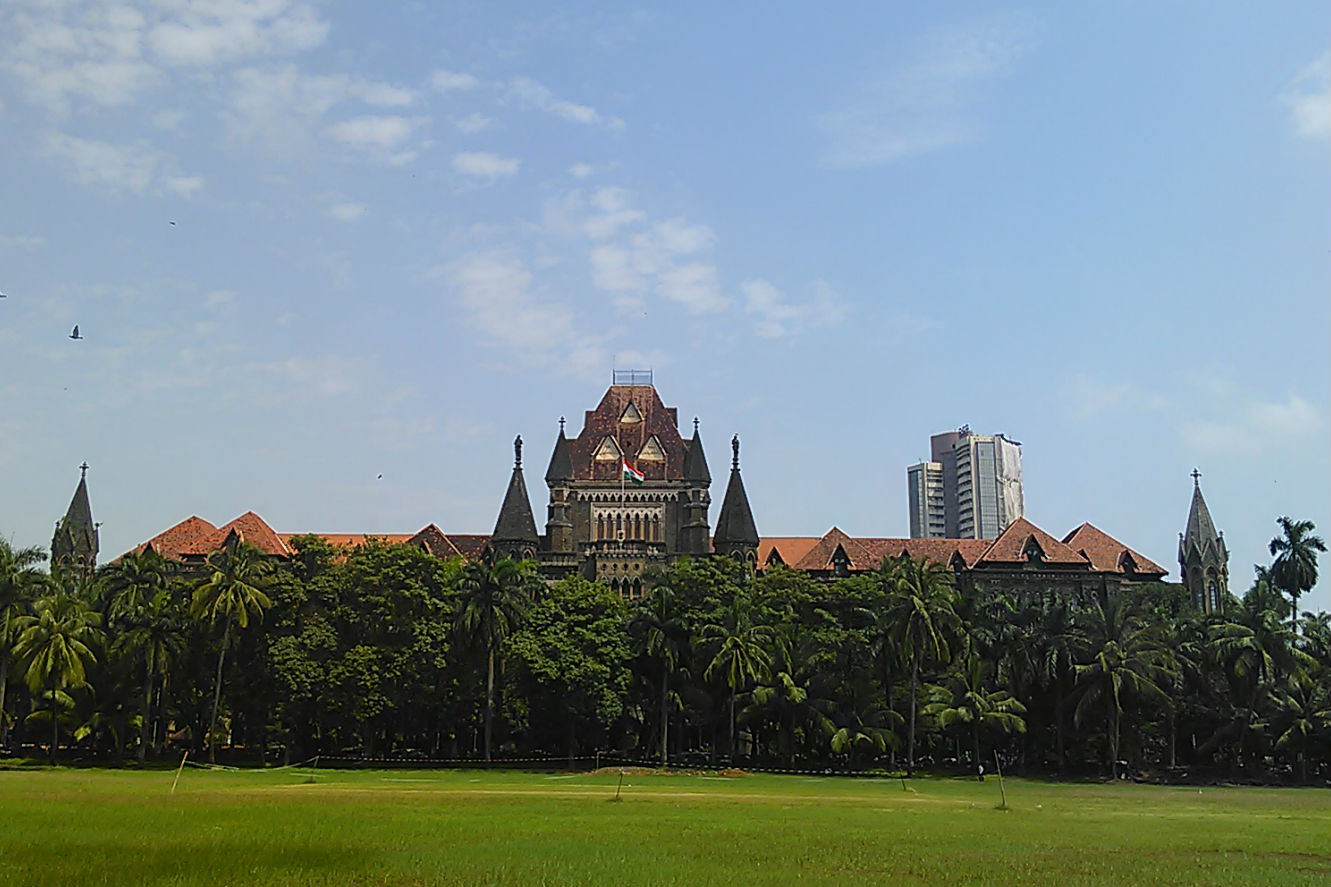
Bombay High Court: A Bench comprising of S.C. Dharmadhikari and Prakash D. Naik, JJ. dismissed a writ petition in favour of the respondent State Government and against the petitioner Union Government.
The petitioner challenged an amendment by the State legislature which seeks to levy tax on the catering service provided by the Railway; by contending that the departmental catering service, being a property of the Union of India, it squarely falls within the exemption from State Taxation, by virtue of Article 285 of the Constitution. And, the term ‘dealer’ in the amendment would not include Railway or Union of India.
The Court negatived these contentions after considering a number of decided cases on the pertinent dispute. It followed the Supreme Court judgment in Karya Palak Engineer v. Rajasthan Taxation Board, (2004) 7 SCC 195, in which it was held that sales tax is an indirect tax and that Union Government is not exempted from the levy of indirect tax under Article 285 of the Constitution. In the above case, the Supreme Court after placing reliance on a number of decided cases, also stated that for a sale taxable to duty, there should be an independent contract apart from passing of the property, where a party purchases or procures goods from the government. Mere passing of property would not suffice. There must be sale of goods. The primary object of the bargain judged in its entirety must be viewed. Consequently, it rejected the argument that the appellant cannot be a “dealer” within the meaning of the Act, as the transactions carried by it, satisfy the definition of “sale”. In view of the above, the contentions of the petitioner was dismissed , by answering in favour of the respondent. [Union of India v. State of Maharashtra, 2017 SCC OnLine Bom 743, decided on 18-04-2017]








1 reply