








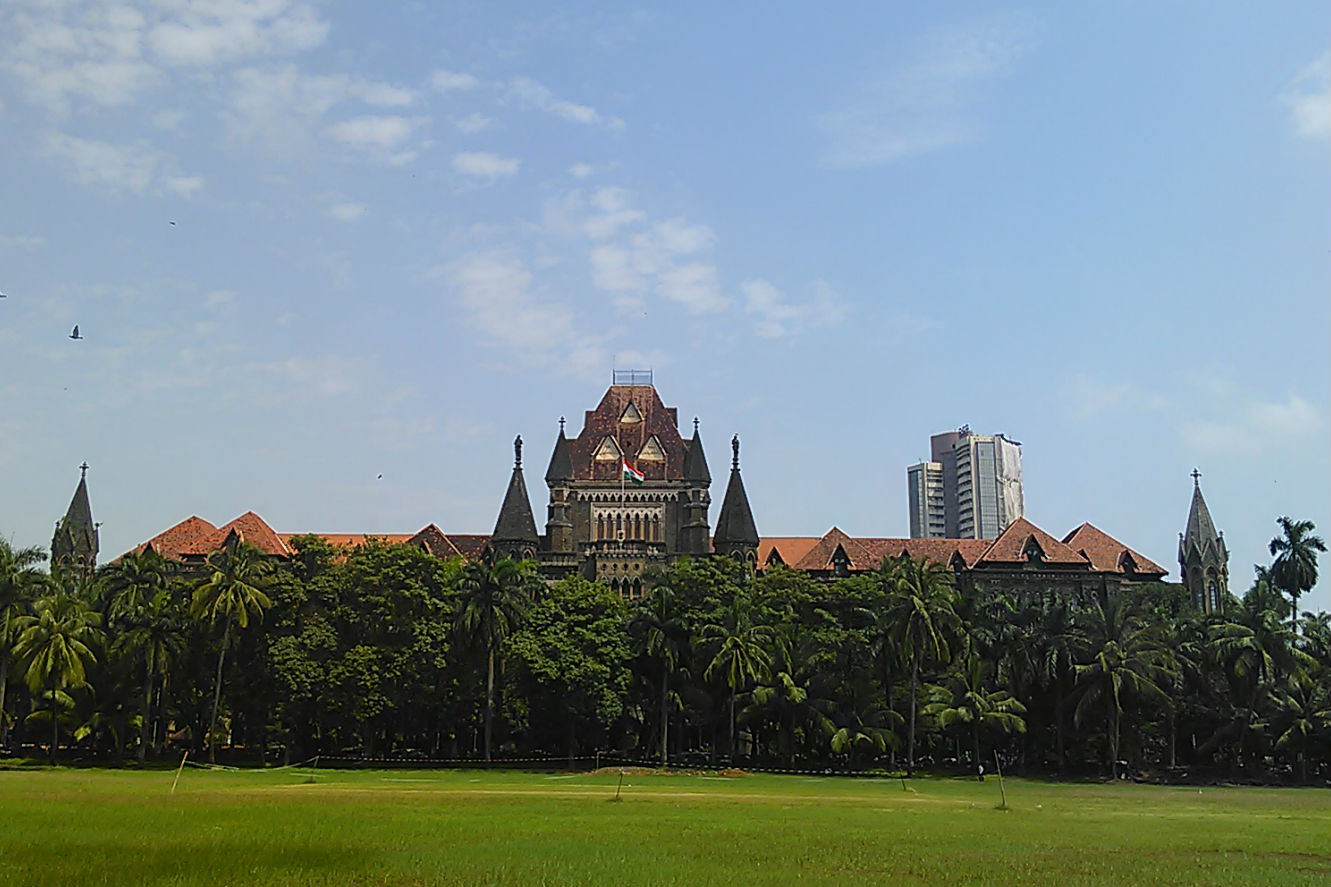
Bombay High Court: The Court dealt with a Public Interest Litigation challenging the State Government Resolution of 10th January, 2017. By this resolution, Government intended to regulate the admissions for 25% free seats to be available to be filled up under Section 12(1)(c) of the Right of Children to Free and compulsory Education Act, 2009.
The main grievance of the petitioner was that after he said resolution, the schools would be responsible for admissions to the 25% seats reserved while, earlier the government was responsible to do so and the same responsibility could be abused by the school authorities and defeat the very purpose of the legislation. Another challenge was to a clause which permitted students who are hailing from a distance beyond 3kms to be admitted in 25% seats reserved and in such cases, the cost of transportation will be borne by the parents of the child admitted. This, the petitioner contended would change the character of the free seats and dilute the purpose of the Act.
The Court rejected all the contentions of the petitioner and refrained from interfering in the policy decisions of the State Government. The Bench also opined that the clauses objected to will further the purpose of the Act instead of diluting it and also observed that in case any is aggrieved by the decision of the management, he/she can approach the appropriate authorities for redressal. [Savari Muthu Micheal Selvan v. State of Maharashtra, PIL No. 8 of 2017, decided on 25.01.2017]









0 replies