








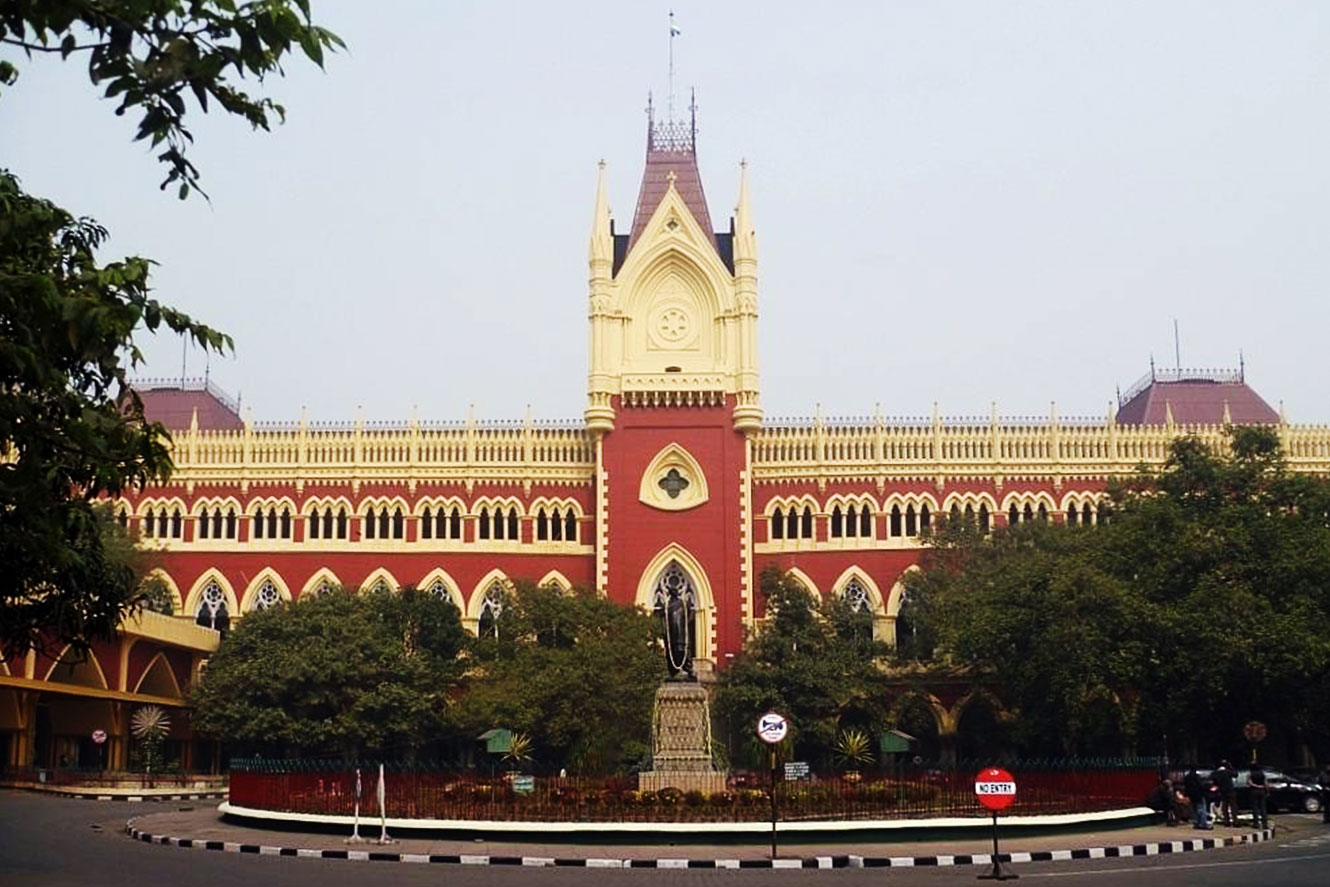
Calcutta High Court: Sabyasachi Bhattacharyya, J., addressed the issue of whether in the father-son relationship if the father has the fundamental right on the preserved sperm of the son after his demise.
In the present matter, petitioner’s son was a patient of Thalassaemia. While in matrimony with respondent 4 the said son died.
It has been stated that the son during his lifetime had had his sperm stored with St. Stephen Hospital, New Delhi and at the demise of the son, the petitioner approached the said hospital for releasing such sperm in favour of the petitioner on the ground that he is the father of the deceased donor.
Petitioner urged respondent 4, being the wife of the deceased son, to issue a ‘no-objection’ to the petitioner for collecting the aforesaid sperm.
Petitioner’s Counsel relying on the parental relationship of the petitioner and the deceased to assert the petitioner’s right to collect such sperm, irrespective of the permission of the wife of the deceased. In the alternative, counsel submitted, the respondent 4 ought to be directed to give her ‘no-objection’ or, at least, to respond to the request of the petitioner.
Decision
Bench in regard to the alleged right of the petitioner to collect such preserved sperm of his son, held that the petitioner does not have any ‘fundamental right’ to such permission, merely by dint of his father-son relationship with the deceased.
Since the deceased was in a matrimonial relationship at the time of his demise the only person apart from the deceased having any right on the preserved sperm was of his wife.
“Father-son relationship of the petitioner and the deceased does not entail any such right of the petitioner to the progeny of his son. As such, the right espoused by the petitioner for himself is illusory and non-existent.”
With regard to any direction to be given to respondent 4, the bench held that the same was beyond the scope of the writ court, since the matter did not involve any violation of fundamental or statutory right, nor does the respondent 4 come within the definition of ‘State’ as envisaged under Article 12 of the Constitution of India.
In light of the above, the writ petition was dismissed. [Asok Kumar Chatterjee v. Union of India, 2021 SCC OnLine Cal 84, decided on 19-01-2021]
Advocates for the parties:
For the petitioner:
Pratip Kumar Chatterjee, Gautam Banerjee, Chumki Das Banerjee
For the State-respondents:
Chama Mookherjee, Susnita Saha









0 replies