








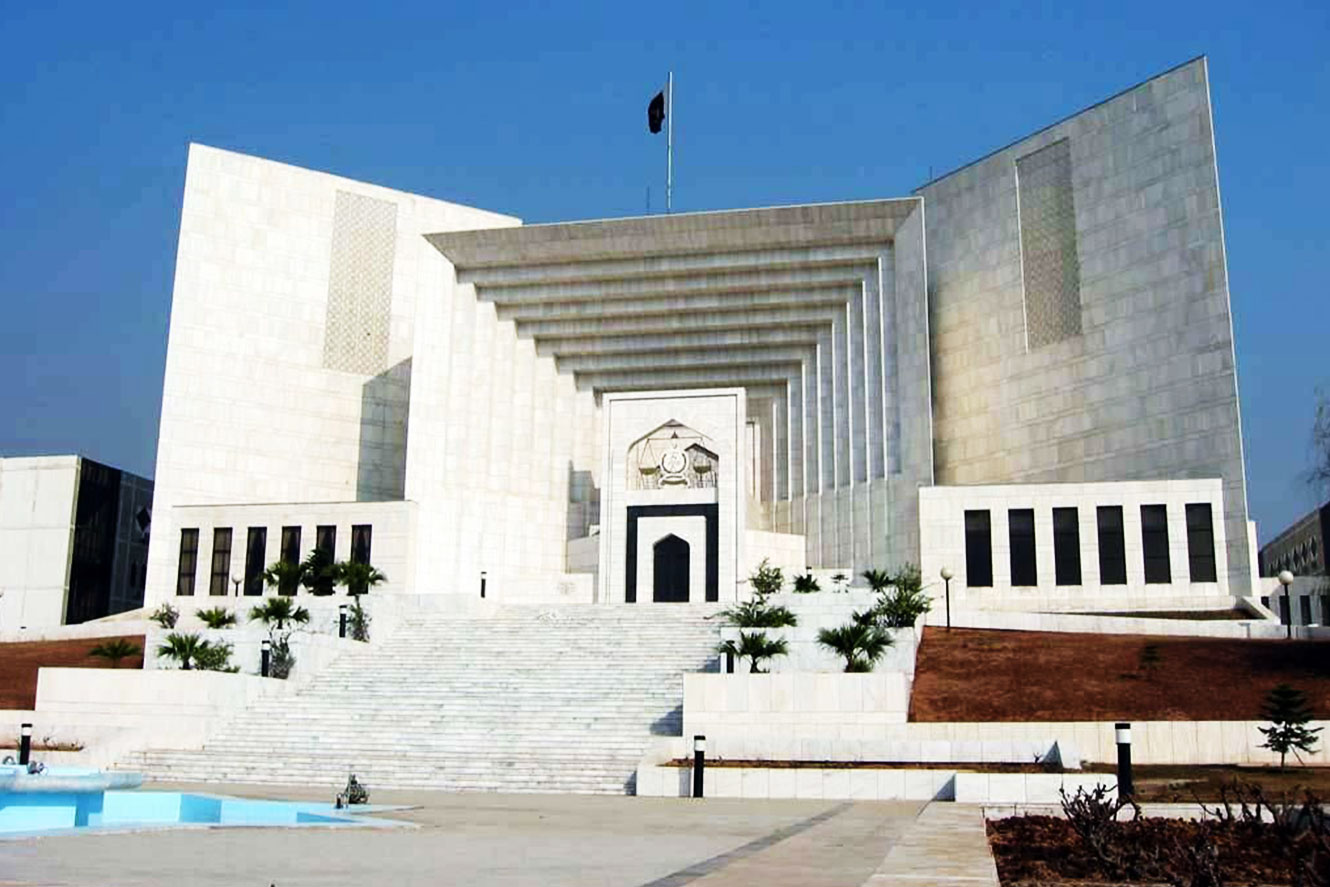
Supreme Court of Pakistan: The Bench of HCJ Mian Saqib Nisar and Faisal Arab and Ijaz Ul Ahsan, JJ. stated that population planning was not a plan for the future but a remedial step for the present.
The Court considering the alarming high population growth rate in the country registered a suo motu case taking into account the overstretched resources and infrastructure the aftermath of which has affected the unemployment rate, maternal and child mortality rate, literacy and educational enrolment figures and lastly access to clean water and adequate food. The Court here placed reliance on a few Indian cases wherein both legislature and the executive complimented by judicial support worked resolutely on the policies of population control as a result of which remarkable results were seen in the country, particularly the case of Devika Biswas v. Union of India, 2016 (10) SCC 726 that implemented sterilization programme across the country.
Accordingly, the Court directed the policymakers, legislators, care providers, civil society activists and religious scholars to promote ‘responsible parenthood behaviors’ and ‘family planning’. It concluded by saying that we need to convince the common man that our limited resources cannot feed more than 2 children per house and that our required transformative investments in human development can only be made if our hands are not tied by severe economic constraints and depleting resources. [Alarming High Population Growth Rate in the Country, In re, Human Rights Case No. 17599 of 2018, decided on 03-01-2019]









0 replies