








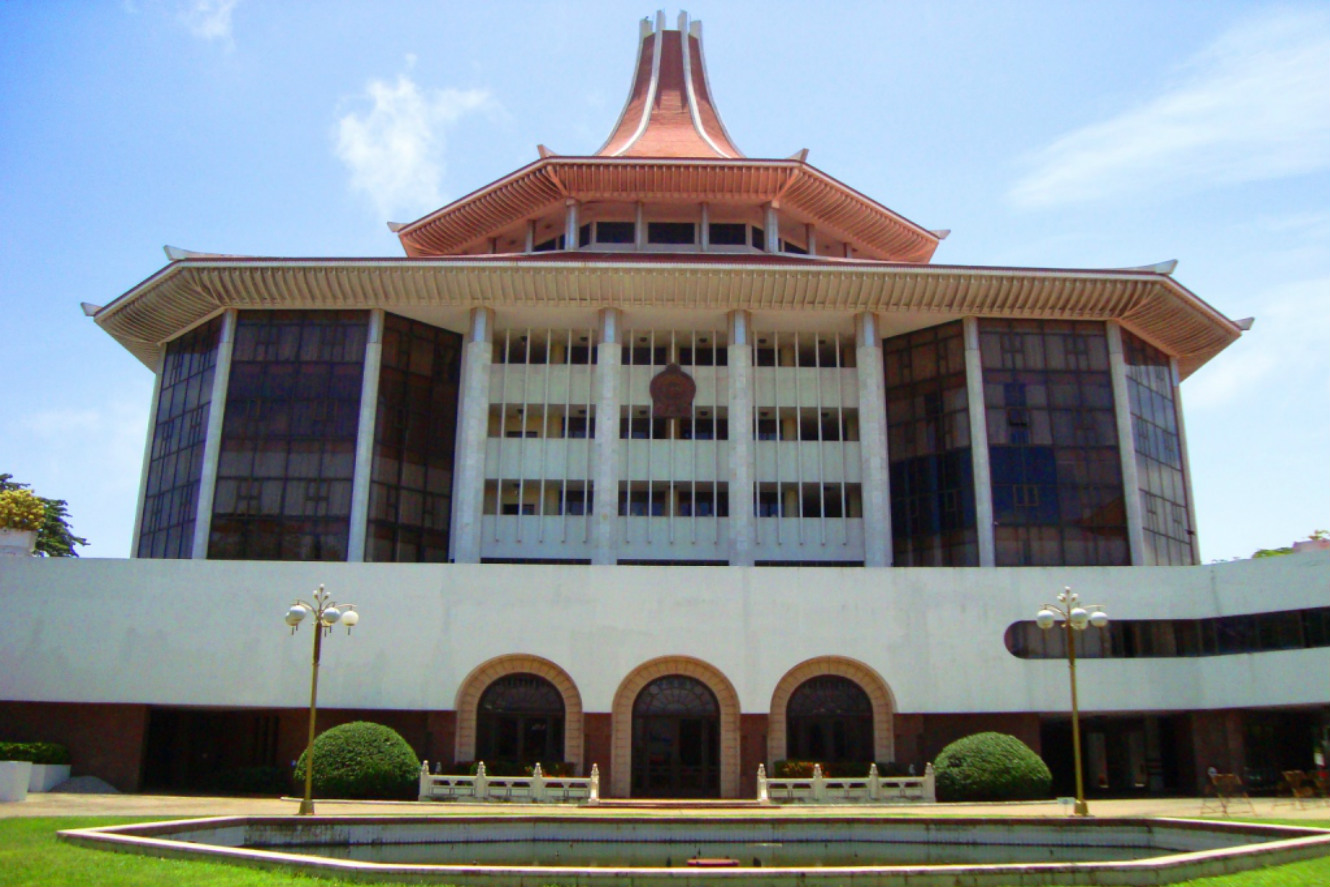
Supreme Court of Appeal of South Africa: This appeal was filed before a 5-Judge Bench of Dambuza, JA., Lewis, Wallis and Zondi, JJA. and Matojane AJA against the order of Equality Court where statements made by appellant were considered to be amounting to hate speech.
Appellant assailed the erroneous reasoning of Equality Court which stated that since due to the statements made by appellant the people who would be most likely feel offended were Jews shows that the statements were directed towards Jewish Religion or ethnicity. He contended that the statements he made were directed towards supporters of the State of Israel from different ethnic and religious backgrounds, rather than to Jewish students. It was submitted that Section 16(2)(c) of the Constitution which delimits the freedom of expression, advocacy of hatred is excluded from protection where such hatred is based on race, ethnicity, gender or religion and constitutes incitement to cause harm.
High Court was of the view that nothing that appellant wrote or said transgressed the boundaries set under Section 16(2)(c), however hurtful or distasteful it was to some members of the Jewish and wider community. Many may feel offended by such statement, but that does not deprive them of constitutional protection of freedom of speech. Therefore, this appeal was upheld and order of equality court was set aside. [Bongani Masuku v. SAHRC, 2018 SCC OnLine ZACAC 6, dated 04-12-2018]






0 replies