








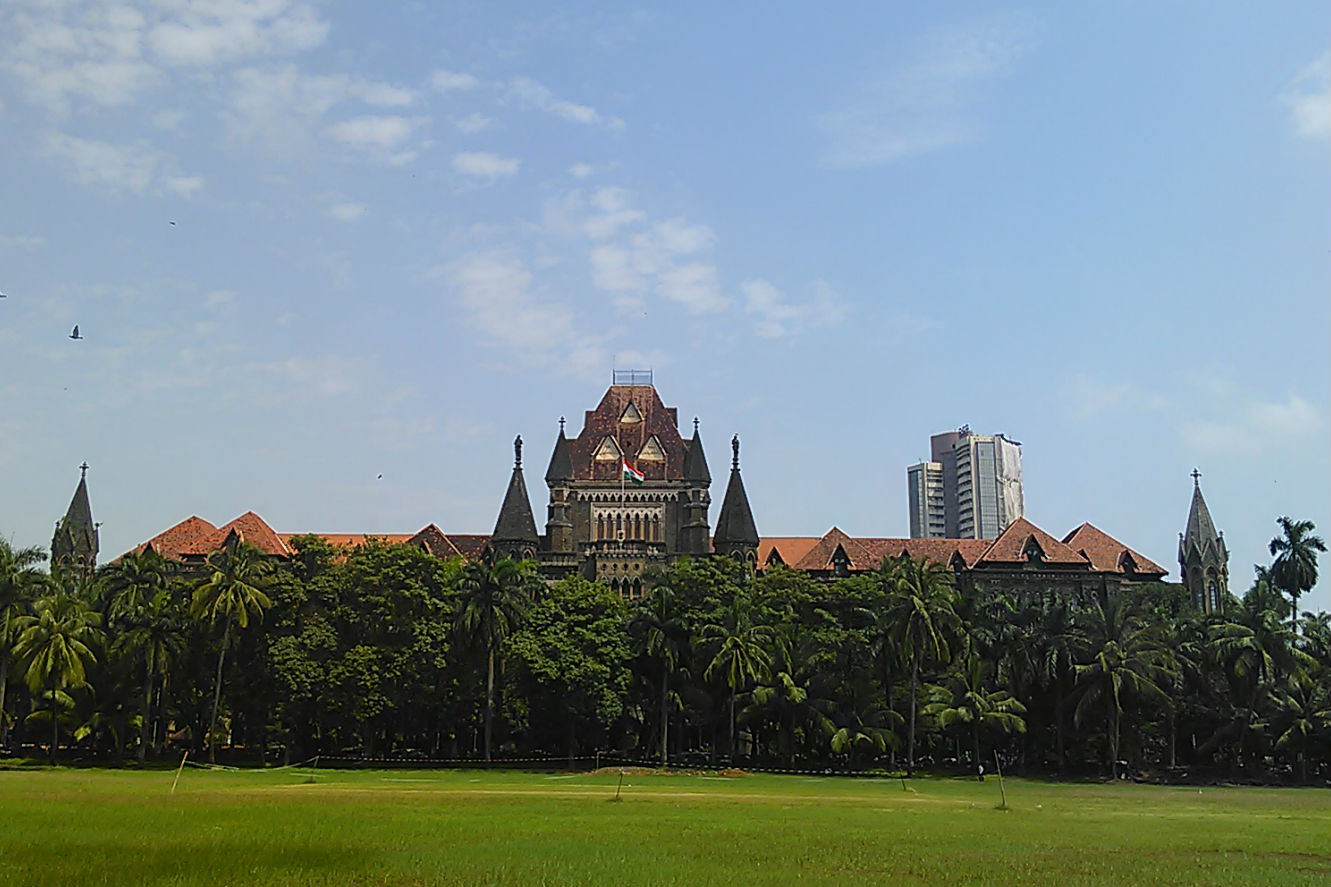
Bombay High Court: A petition challenging the order passed by the Member Secretary, Scheduled Tribe Certificate Scrutiny Committee, Nashik, which invalidated the claim of the petitioners that they belonged to Thakur Scheduled Caste, was allowed and the impugned order set aside by a Division Bench comprising of BR Gavai and Anuja Prabhudessai, JJ.
The facts of the case are that the Scrutiny Committee had rejected the claim of the petitioners by applying the affinity test. However, relying on Anand v. Committee for Scrutiny and Verification of Tribe Claims, (2012) 1 SCC 113, wherein it was held that pre-constitutional documents will have higher degree of probative value while considering the claim of the candidate, and also relying on the material placed before them, the Court directed the Scrutiny Committee to issue a validity certificate in favor of the petitioners.
The documents that had been submitted by the petitioners included a document dated 1939, belonging to his grandfather, which showed his caste to be Thakur. The petitioner also showed that him and one, Mohit, were great grandsons of Sahadu and Mahadu, respectively, and that Mohit had already been held to be belonging to Thakur Scheduled Caste by a previous judgment of the Bombay High Court. Hence, it was found that the petitioner was also entitled for such a declaration. [Mayur Sunil Bagul v. State of Maharashtra, 2017 SCC OnLine Bom 8908, dated 04.10.2017]









0 replies