








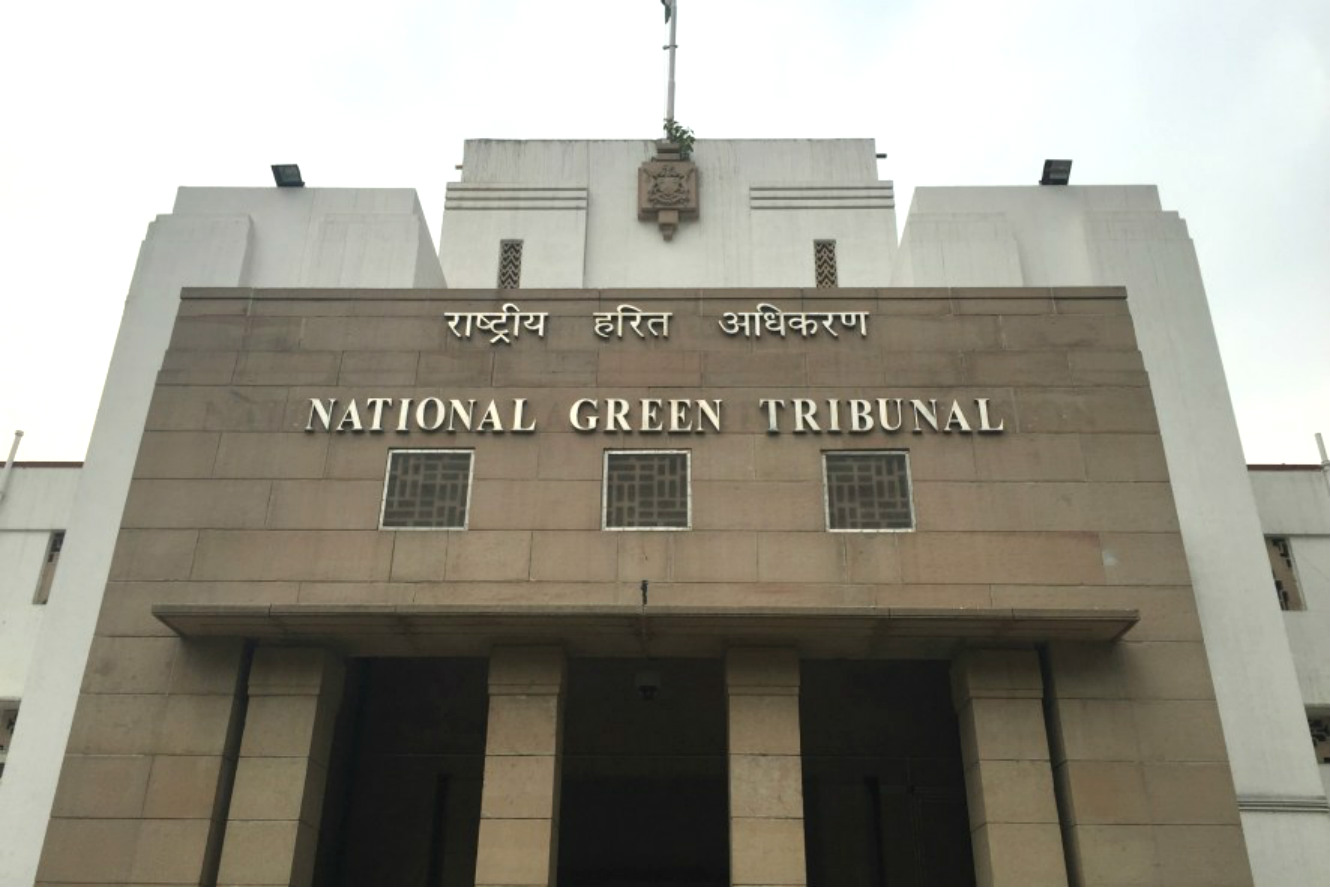
National Green Tribunal: The NGT bench comprising of Adarsh Kumar Goel (Chairperson), S.P. Wangdi (Judicial Member) and Dr Nagin Nanda (Expert Member) on the “polluter pays” principle directed the State to pay a sum of 50 crore for the damage caused to river Sutlej and Beas.
The issue was regarding the pollution of rivers Sutlej and Beas on account of discharge of untreated pollutants which on testing were found that total dissolved solids, accumulation of chromium, nickel, zinc and pesticides were high in the chitti bein and toxic metals were found in the soil samples irrigated by Bein. It was to be noted that around 1332 hazardous waste generating industries and 17 highly polluting ones were polluting parts of Rajasthan apart from Ludhiana and Jalandhar. Additionally, 35 municipal councils were discharging sewage into the said rivers.
Therefore a monitoring committee was directed to look into the matter and frame an action plan. It was contended that the Punjab Pollution Control Board and the Punjab Water Supply and Sewerage Board (PWSSB) failed to maintain the water quality of the laid down standards. The Committee stated the defects which were:
- Lack of sewage system.
- Solid waste dumped on open site and caused choking of the flow of water bodies.
- Non-availability of STPs and lack of appropriate technology and capacity.
- STPs were under different authority thereby causing the mixing up of sewage with the domestic waste.
- Lack of waste water treatment and skilled man power.
- Non-sustainable approach in designing of sewage management projects.
Accordingly, the Tribunal on “Polluter Pays” principle directed the respondents to deposit a sum of Rs 50 crores for the restoration of the environment as well for relief to the victims and prepare an appropriate action plan so that the quality of the water was brought back as per the prescribed standards. [Sobha Singh v. State of Punjab, 2018 SCC OnLine NGT 346, order dated 14-11-2018]









0 replies