


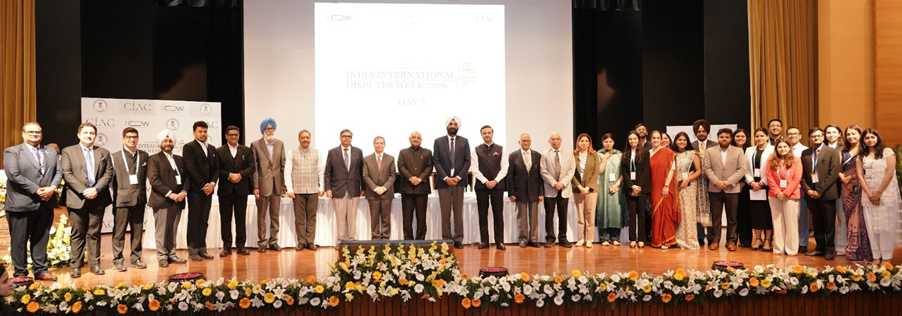

The day featured a keynote address on arbitration as a cornerstone of investor confidence, followed by panel discussions exploring the evolution of Alternative Dispute Resolution (ADR) practices in India, the continuing debate between institutional and ad hoc arbitration, and policy perspectives on judicial intervention. The valedictory ceremony brought the week-long India International Disputes Week 2026 (IIDW) to a close, while emphasising that the conclusion of the event marked not an end, but the beginning of a renewed commitment to building credible, collaborative, and future-ready dispute resolution frameworks in India.
Keynote Address: Arbitration, Investor Confidence and Legal Certainty
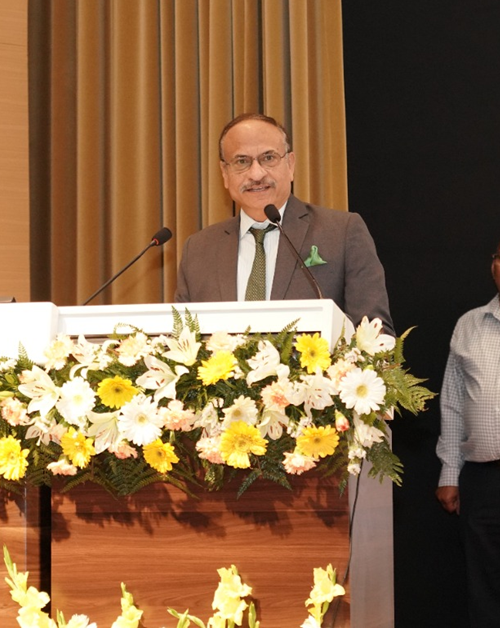

Delivering the keynote address, Mr. Arun Chawla, Director General, Indian Council of Arbitration, highlighted the growing importance of credible dispute resolution systems in supporting global commerce and investor confidence. He noted that events such as the India International Disputes Week reflect India’s commitment to strengthening the institutional architecture that underpins commercial certainty and the rule of law.
At the outset, he acknowledged the leadership of Justice Surya Kant, Chief Justice of India, and Justice Sheel Nagu, Chief Justice of the Punjab and Haryana High Court, whose vision and support contributed to the organisation of the event.
Emphasising the role of arbitration in the modern global economy, Mr. Chawla observed that the credibility of a country’s dispute resolution framework increasingly influences international investment decisions.
“The credibility of a country’s dispute resolution system is now a central pillar of investor confidence.”
He noted that arbitration has emerged as the preferred mechanism for resolving international commercial disputes due to its neutrality, flexibility, and cross-border enforceability, with a significant proportion of global commercial contracts now incorporating arbitration clauses as the primary dispute resolution mechanism.
Reflecting on India’s evolving arbitration ecosystem, Mr. Chawla emphasised the importance of strengthening institutional arbitration, building a robust pool of trained professionals, and integrating technological innovations into dispute resolution frameworks.
“Economic growth requires legal certainty. Legal certainty requires credible dispute resolution. And credible dispute resolution requires strong institutions.”
Panel 17: Evolution of ADR Practices in India
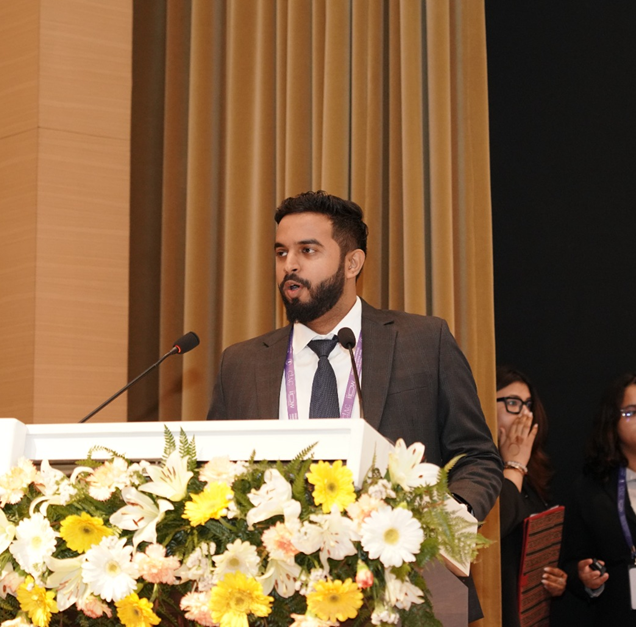

Moderating the session, Mr. Jonathan Rodrigues, International Mediation Professional and Founder, The PACT (Peacekeeping and Conflict Resolution Team), New Delhi, reflected on the importance of taking the lessons of the conference beyond the confines of the discussion hall. He emphasised that while the legal community recognises the value of arbitration and mediation, the real challenge lies in expanding that understanding beyond specialised circles.
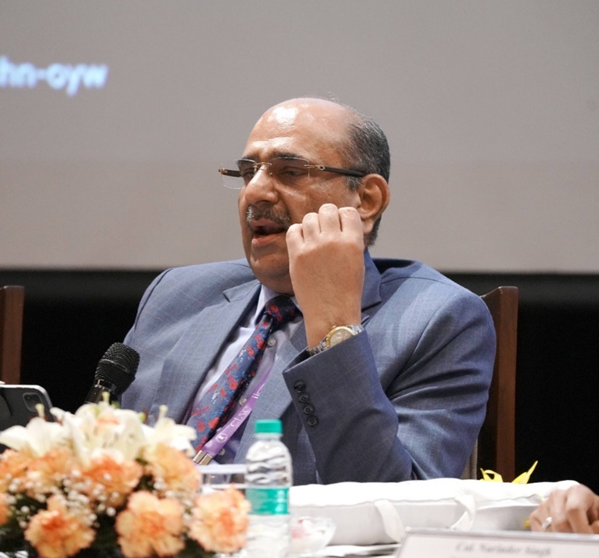

Discussing the conceptual foundations of ADR, Mr. Naresh Markanda, Senior Advocate, Punjab and Haryana High Court, explained the distinctions between arbitration, conciliation, and mediation, describing mediation as a process aimed at resolving disputes without leaving lingering hostility between parties.
“Mediation means resolution of disputes without any residue.”
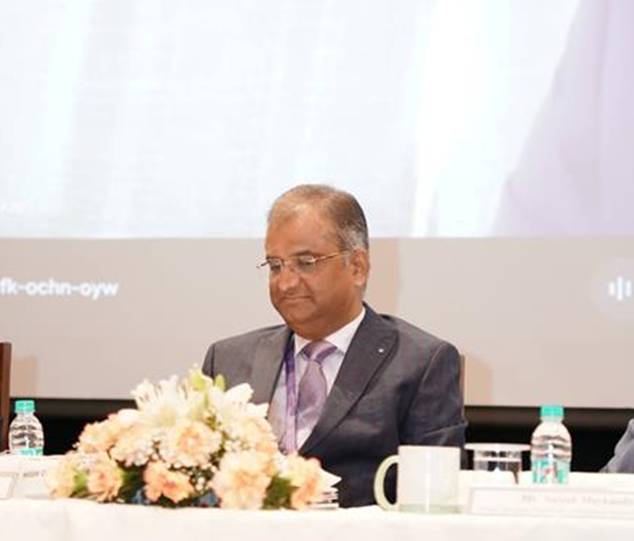

The panel also examined the legislative evolution of ADR in India. Dr. Deepak Jindal, Advocate, Punjab and Haryana High Court, highlighted the role of Section 89 of the Civil Procedure Code, 1908 in integrating ADR mechanisms into civil procedure, and noted that the Mediation Act, 2023 (Mediation Act) represents a significant step towards institutionalising mediation in India.
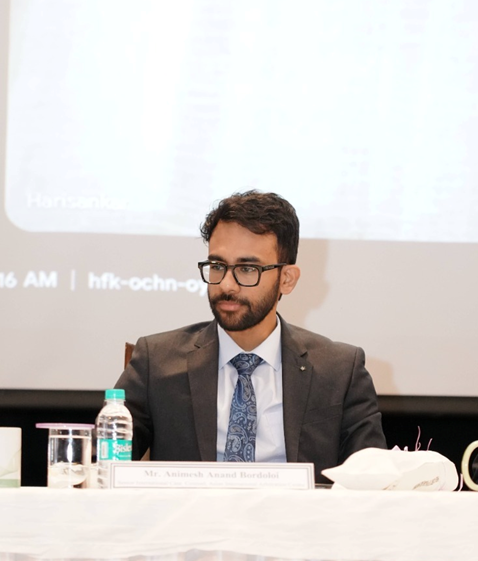

Speaking on recent arbitration reforms, Mr. Animesh Anand Bordoloi, Senior International Case Counsel, Asian International Arbitration Centre, offered a balanced view of the amendments and the broader push towards institutionalisation. He noted that several Law Commission reports and legislative reforms have emphasised the need for institutional arbitration, but implementation has remained a challenge. According to him, despite the legislative intent under provisions such as Section 11 to move tribunal appointments towards institutions, parties in India often continue to approach courts at the very beginning of disputes.
“Arbitration, at the core, is essentially two parties by consent entering into a contract to stay out of the court.”
Referring to practices in jurisdictions such as Singapore and Malaysia, he observed that empowering arbitral institutions to appoint arbitrators, even in ad hoc proceedings, could help reduce delays and advance institutionalisation of arbitration in India.
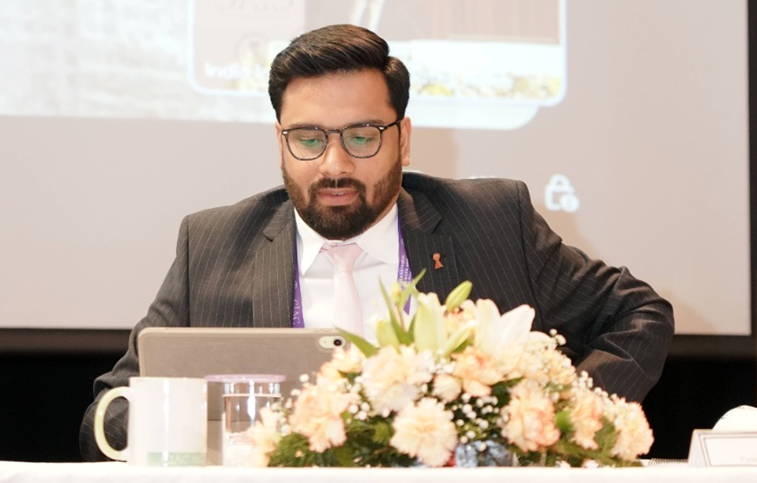

Reflecting on developments in arbitration practice, Mr. Neeraj Kochar, Partner, Accuracy India Private Limited, observed that arbitration has evolved from personality-driven proceedings to structured, process-oriented dispute resolution supported by improved case management and technology.
“It’s no longer a soft option or a compromise forum. Parties are entering with the mindset of getting to a dispute resolution.”
The panel engaged in reflections on strengthening institutional frameworks and ensuring that ADR mechanisms evolve alongside the growing complexity of commercial disputes.
Mediation, Pre-litigation Disputes and the Future of ADR
Continuing the discussion, the panel reflected on the transformative potential of the Mediation Act and the proposed Mediation Council of India, noting that a stronger institutional framework could help build a nationwide community of mediators across India’s diverse cultural landscape.
Addressing whether mediation remains lawyer-driven, Mr. Markanda emphasised that mediation should primarily empower parties rather than counsel.
“Once you enter the room of the mediator, the role of counsel should be absolutely zero.”
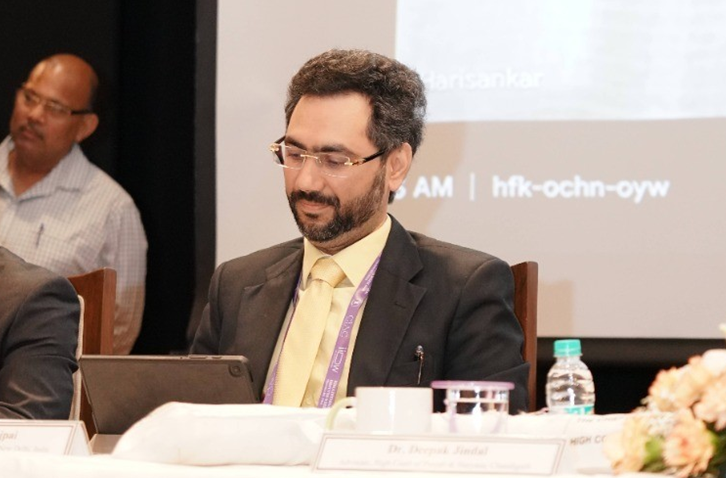

The panel also examined the hesitation surrounding pre-litigation mediation. Mr. Shashwat Bajpai, Founder Partner, DRSB Law Chambers, identified three key factors behind the reluctance to adopt mediation early: entrenched litigation mindsets, strategic concerns among lawyers, and economic incentives associated with prolonged dispute processes.
“Mediation is less formal and more proactive in a problem solving mode. We need to consciously, everyone, both sides, both the clients as well as the lawyers, as well as the judges and arbitrators or mediators, we have to start defenestrating this fear that mediation is not going to bear the same results as arbitration.”
Discussing the practical effectiveness of mediation, Mr. Kochar noted that mediation works best where parties have something valuable to preserve, such as a business relationship or ongoing project.
“Mediation works when there is something to preserve be it a relationship, a project, or future business.”
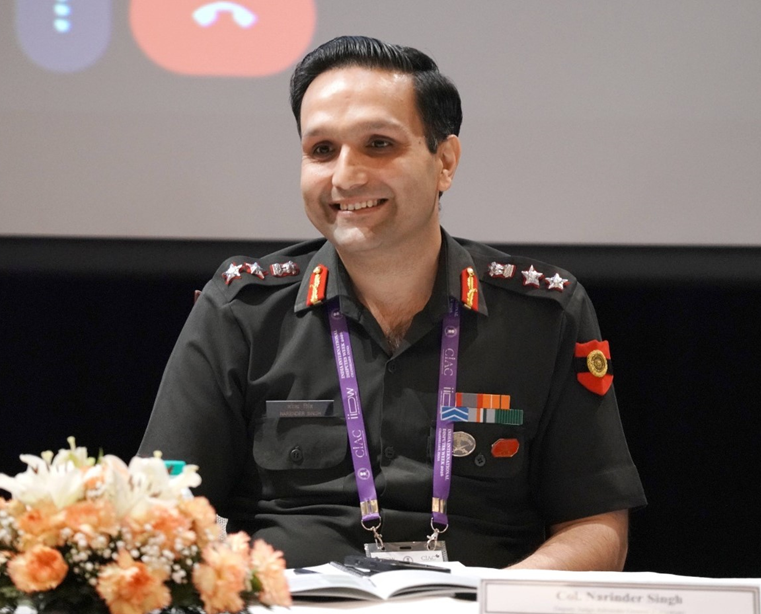

Colonel Narinder Singh closed the discussion by stressing the importance of openness and expectation management in mediation. He noted that unlike litigation, mediation requires parties to compromise and approach the process with flexibility. As he put it:
“A big part of mediation is the willingness to give a part of your territory, a willingness to settle for something. If you don’t go with an open mind into the mediation rules, then there is perhaps no point.”
He emphasised that lawyers must guide clients realistically, balancing the pros and cons of litigation against the collaborative spirit of mediation.
Institutional vs Ad Hoc Arbitration: Rethinking Cost and Efficiency
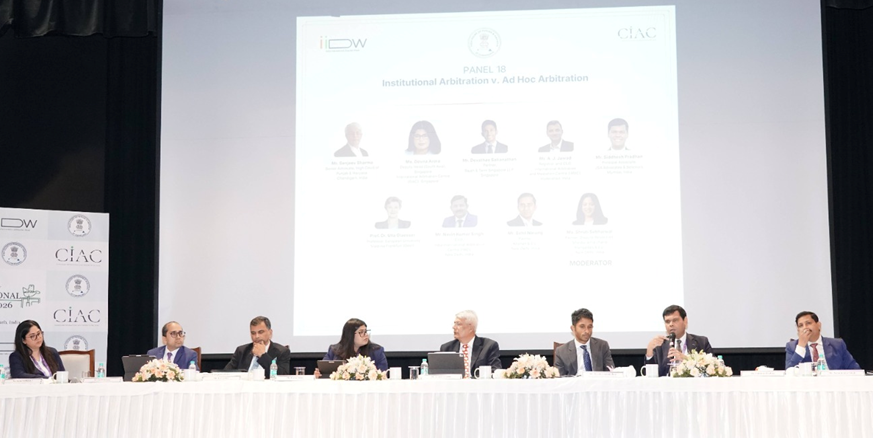

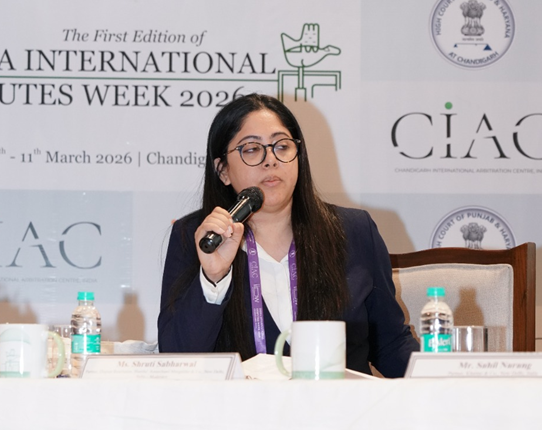

Opening the session, Ms. Shruti Sabharwal, Partner, Dispute Resolution, Shardul Amarchand Mangaldas & Co., highlighted that despite global trends toward institutional arbitration, a significant proportion of domestic arbitration in India continues to be conducted on an ad hoc basis. Framing the issue from a user’s perspective, she raised a common concern expressed by clients when drafting arbitration clauses – If I suggest mentioning an arbitral institution in a contract, the first question a client asks is, why should I pay this extra money?
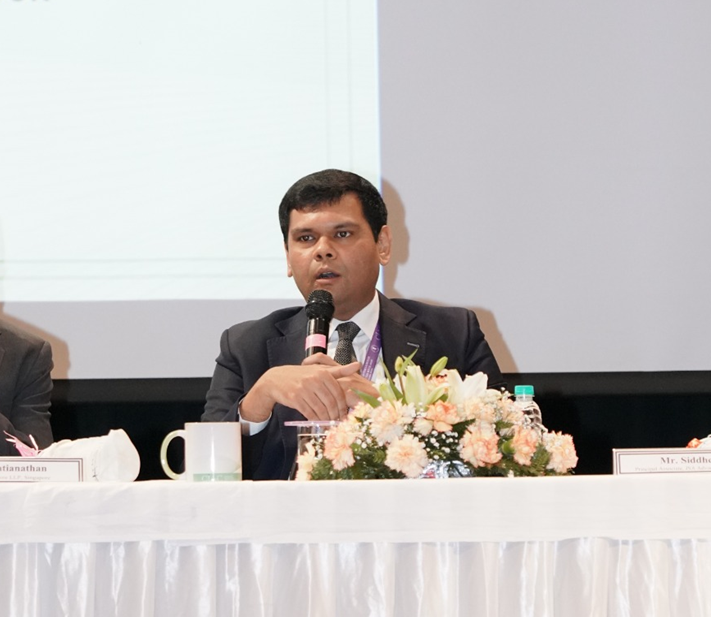

Responding to this concern, Mr. Siddhesh Pradhan, Principal Associate, JSA Advocates & Solicitors, explained that the assumption that ad hoc arbitration is always cheaper is often misleading. Institutional arbitration, he noted, provides greater transparency in costs, structured procedures, and administrative support.
“It’s not always the case that ad hoc proceedings are cheaper, with institutions, parties have upfront visibility on costs and timelines.”
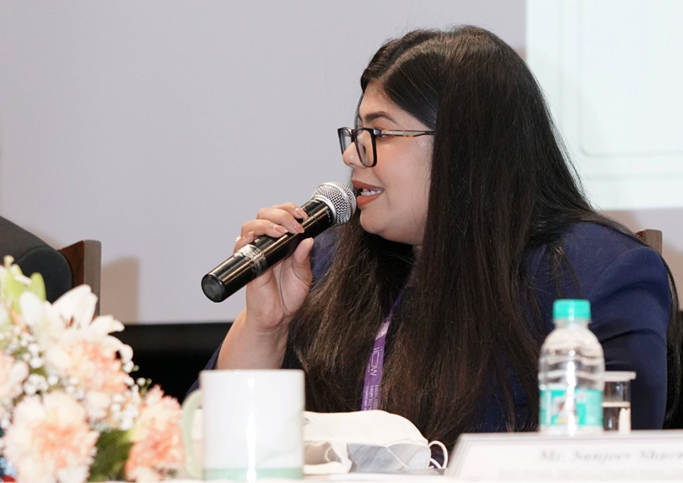

Discussing tribunal appointments, Ms. Devna Arora, Deputy Head (South Asia), Singapore International Arbitration Centre (SIAC), emphasised that institutions add an additional layer of oversight while preserving party autonomy. She explained that factors such as dispute complexity, governing law, party nationality, and arbitrator availability are carefully considered when constituting tribunals.
“The way the tribunal is constituted often sets the tone for the entire arbitration.”
She also highlighted the role of institutions in expanding the pool of arbitrators and promoting diversity in tribunal appointments.
Institutional Arbitration in the Indian Context
Continuing the discussion, Mr. Sahil Narang, Partner, Khaitan & Co., observed that the Indian arbitration landscape presents a unique challenge because many large domestic companies are promoter-driven rather than multinational. He pointed out that with multinationals it’s an easy sell, but with small and medium-sized companies we often have to do significant capacity building to explain the value of institutional arbitration.
“Institutions brings in a lot of clarity and a lot of procedure which is left to the institution to manage. And therefore we see, as was pointed out previously, that most of the big corporates prefer institutions rather than ad hoc.”
He emphasised that the debate between institutional and ad hoc arbitration should not be treated as binary, noting that ad hoc arbitration may still be appropriate for certain domestic disputes, particularly smaller claims where parties seek greater procedural flexibility.
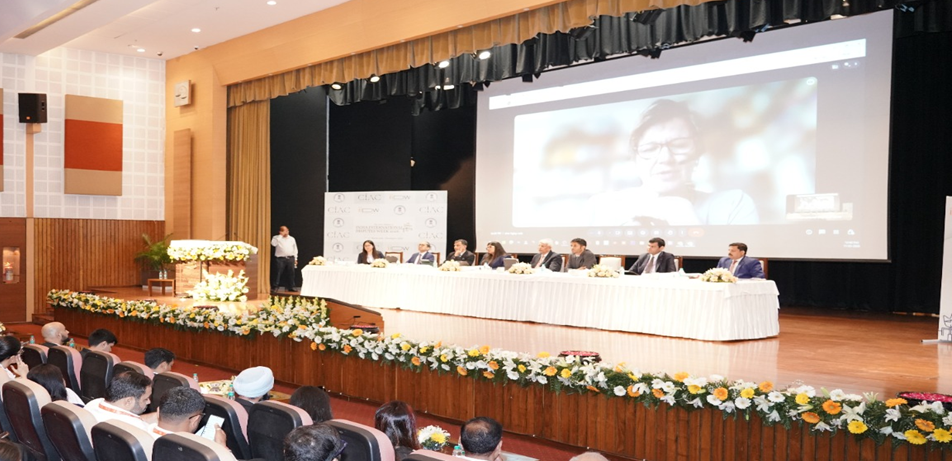

Offering an international perspective, Prof. Dr. Ulla Glaesser (LL.M., UC Berkeley) discussed the growing role of arbitration in global supply-chain governance and human-rights frameworks. She noted that arbitration can play a role within broader grievance mechanisms, although it cannot alone address all forms of human-rights disputes.
“Arbitration still remains a valuable and important part of the puzzle of these revenue mechanisms that have just been designed as a system, not as a one-person journal channel only.”
Policy Reform and the Case for Institutional Arbitration
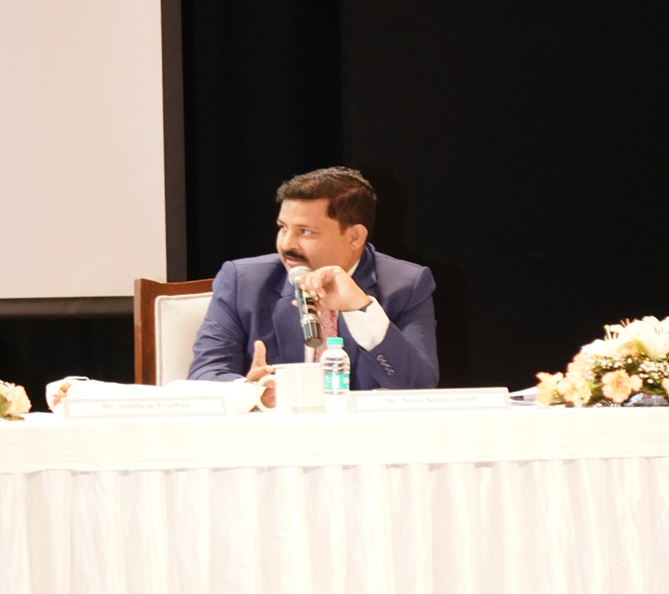

Addressing recent government policy developments, Mr. Navin Kumar Singh, CEO, India International Arbitration Centre (IIAC), explained that the government’s memorandum discouraging indiscriminate use of arbitration clauses in public procurement largely reflects its experience with ad hoc arbitration.
“Institutional arbitration needs to be promoted because it brings the cost clarity and then there is an internal oversight of the entire arbitration as well as the external oversight.”
He also highlighted the significance of the 2015 Amendments to the Arbitration and Conciliation Act, 1996 (Arbitration and Conciliation Act), which strengthened safeguards for impartiality and independence in arbitral appointments through Section 12(5) and the Fifth and Seventh Schedules of the Arbitration and Conciliation Act.
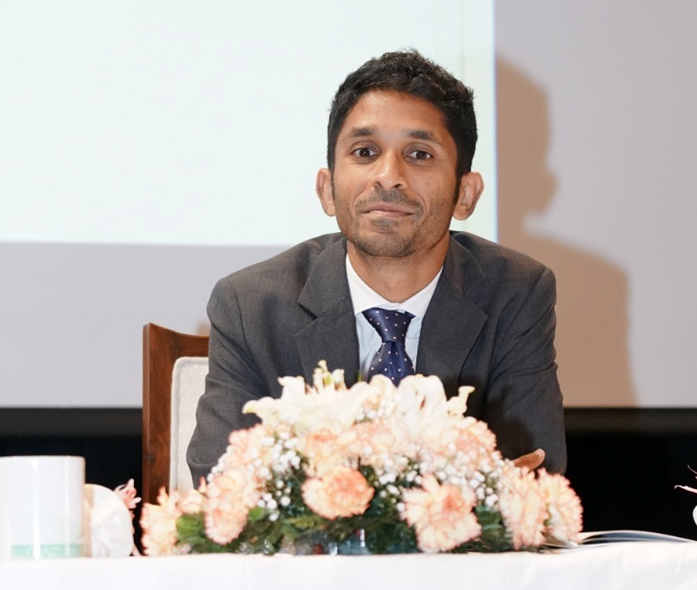

From an international perspective, Mr. Devathas Satianathan, Partner, Rajah & Tann Singapore LLP, observed that debates around institutional versus ad hoc arbitration are less prominent in jurisdictions like Singapore, where institutional arbitration dominates. He noted that institutional frameworks help prevent procedural abuse, including tactics aimed at delaying proceedings through challenges to arbitrators or disputes over tribunal appointments.
Judicial Intervention and the Continuing Dominance of Ad Hoc Arbitration
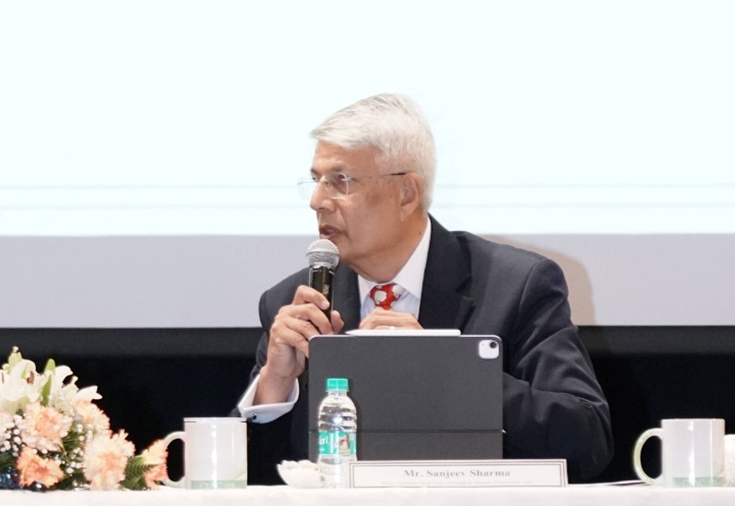

Addressing concerns about judicial intervention, Mr. Sanjeev Sharma, Senior Advocate, Punjab and Haryana High Court, clarified that courts typically intervene either before arbitration begins or after an arbitral award is issued.
“Courts step in during the arbitration proceedings only in case an arbitrator fails and it is post award which actually adds to the monetary weight.”
He noted that delays often arise during post-award challenges and enforcement proceedings under Sections 34 and 37 of the Arbitration and Conciliation Act.
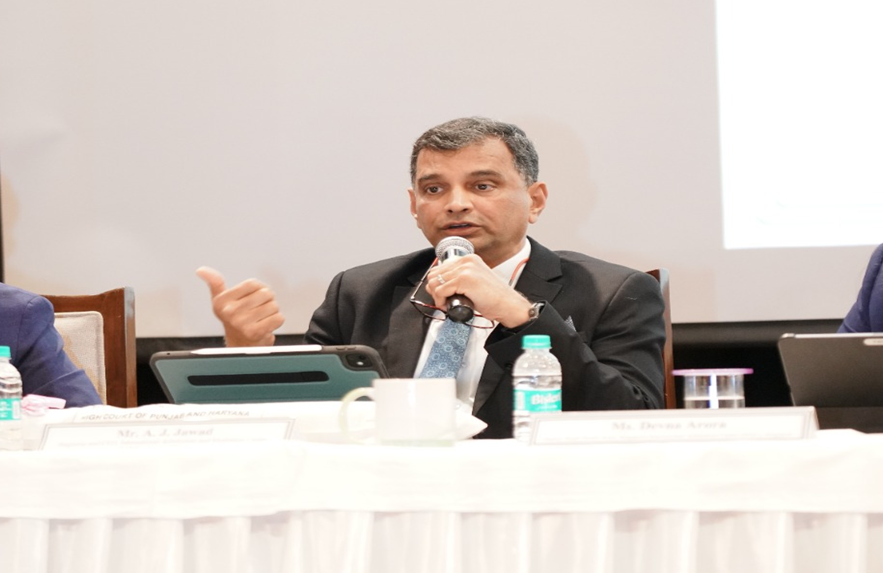

Expanding on why ad hoc arbitration continues to dominate in India, Mr. A.J. Jawad, Registrar and CEO, International Arbitration and Mediation Centre (IAMC) attributed the trend partly to historical practice and partly to litigation strategy.
“Arbitration in India, if you look historically, it has always been ad hoc arbitration. Under the 1940 Act, followed by the 1996 Act, Section 11, section 9 of course for the Indian models. So, it has always been the courts that have been controlling arbitration.”
He emphasised that modern arbitral institutions now provide professional case management, transparent fee structures, and time-bound procedures. He lastly mentioned that if we want India to be a credible dispute resolution destination, institutional dispute resolution must be promoted.
Valedictory Ceremony of Reflects on India’s Emerging Role in Global Dispute Resolution
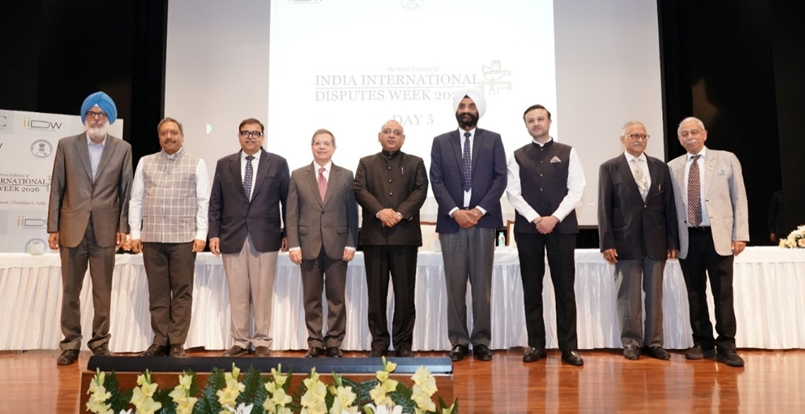

The conference concluded with the Valedictory Ceremony, where Justice (Retd.) Dinesh Maheshwari, Chairperson, Law Commission of India and former Judge of the Supreme Court of India, reflected on the broader trajectory of arbitration and dispute resolution in India.
“This valedictory program is not the conclusion of this event, rather, it is the beginning of India’s trusted seat of dispute resolution in the days to come.”
He emphasised that India possesses a rich jurisprudential heritage that should inform the development of modern dispute resolution frameworks.
The gathering was also addressed by Justice Ashwani Kumar Mishra, Judge, Punjab and Haryana High Court, who reflected on the significance of the India International Disputes Week and the collaborative effort that made it possible.
He noted that the week-long programme brought together diverse perspectives from practitioners, academics, and students across jurisdictions.
“The ultimate objective is to evolve a system of dispute resolution in such a way that we are able to bring peace in society.”
Justice Mishra also recalled that the programme commenced with the inauguration of the Chandigarh International Arbitration Centre (CIAC) by the Justice Surya Kant, Chief Justice of India, describing it as a significant step toward establishing Chandigarh as a centre of excellence in arbitration.
“The commencement has been great, with strong participation not only from across the country but from people coming from all over the globe.”
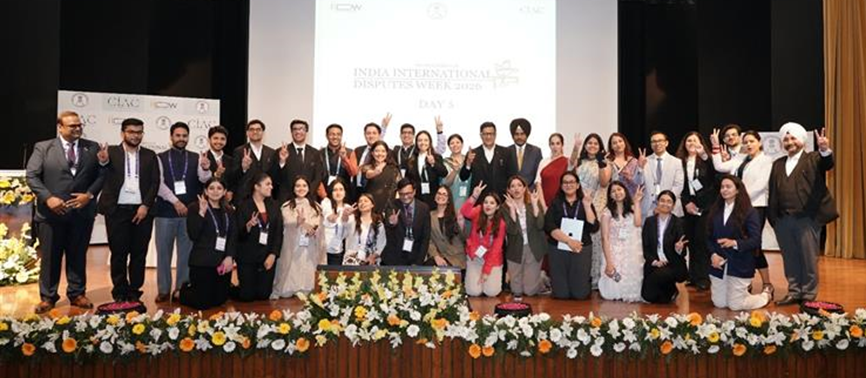

The valedictory ceremony concluded with a vote of thanks from the organisers, expressing gratitude to the judges, speakers, panelists, delegates, and volunteers whose efforts made IIDW 2026 a success. Distinguished guests were formally facilitated, marking the close of the inaugural edition of the conference and encouraging participants to carry forward the discussions into their professional and institutional engagements.