


Building on the momentum of the opening day, the second day of the 4th Insolvency Law Academy (‘ILA’) Conference deepened the policy conversation on insolvency law and India’s long-term economic trajectory. The discussions brought entrepreneurship, risk-taking, and wealth creation to the forefront, examining how insolvency frameworks shape economic behaviour and influence the willingness to innovate, invest, and take risks, with comparative insights drawn from India and leading global jurisdictions.
The deliberations highlighted a clear contrast between jurisdictions that have institutionalised the idea of a “second chance” and the Indian context, where business failure often remains stigmatised and mechanisms for early restructuring and personal insolvency remain underdeveloped. Panellists emphasised that nurturing an entrepreneurial society requires insolvency systems that normalise failure, ensure dignified exits, and enable individuals to re-enter economic life swiftly. Such an approach, they noted, is critical to unlocking entrepreneurial potential and transforming India’s youth from job seekers into job creators as the country moves towards 2047.
SESSION 3: The Bold and Beautiful: IBC (Amendment) Bill 2025
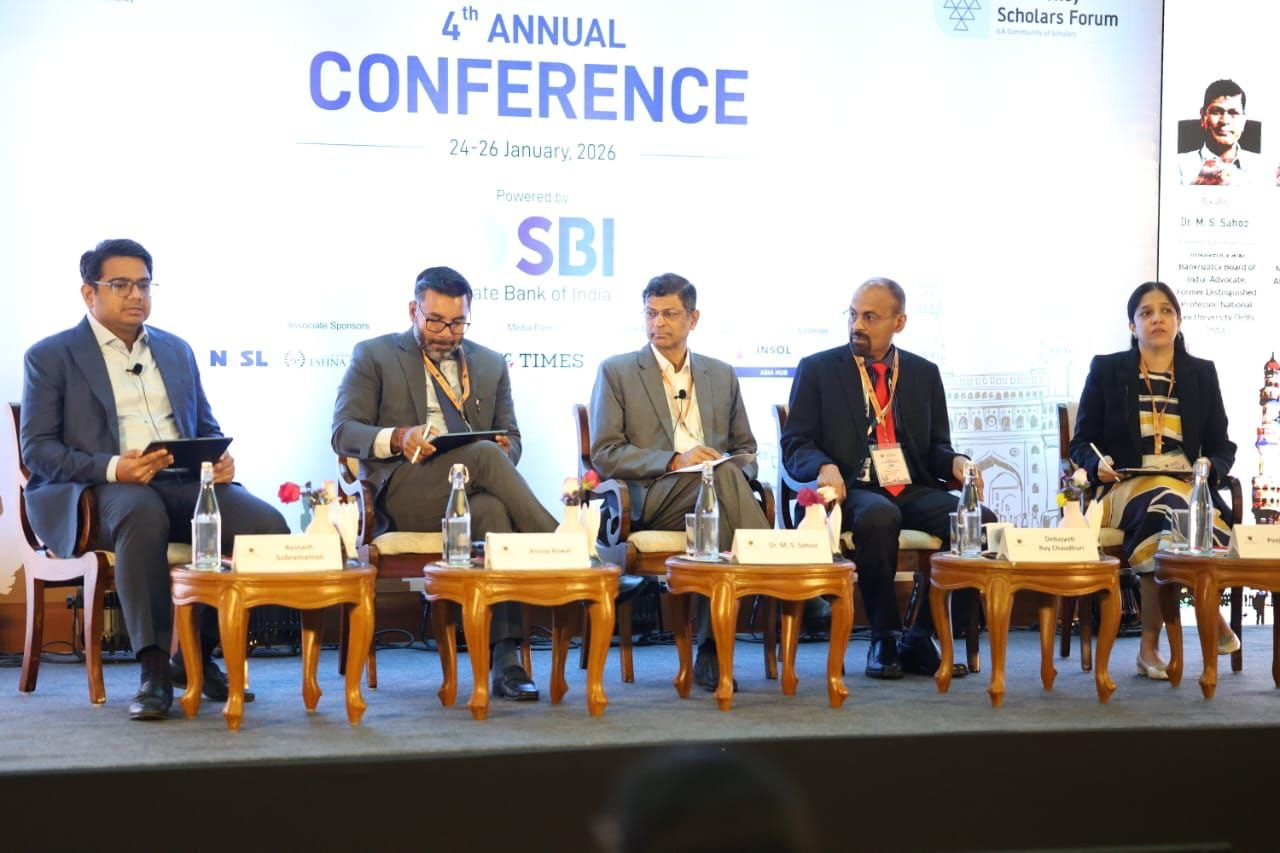

Speaking during Session 3, Dr. M. S. Sahoo, Former Chairperson, Insolvency and Bankruptcy Board of India (“IBBI”), stressed the need to revisit the foundational philosophy of the
Insolvency and Bankruptcy Code, 2016 (‘IBC’). He stated, “We must go back to the roots,” emphasising that “IBC was enacted to repurpose the distressed assets.” According to him, IBC was intended to function as “a marketplace of ideas and opportunity for renewal,” enabling failing firms to become viable again. However, he observed that IBC has unfortunately morphed into a very potent debt recovery tool today.
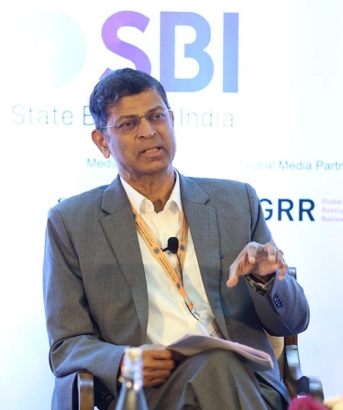

“We have moved away from revival to recovery, resolution to auction, regeneration to redistribution.”
Dr. Sahoo cautioned that the present insolvency narrative is being shaped overwhelmingly by recovery statistics. Referring to official publications, he noted that IBC has been the largest channel or the most important mechanism both in absolute terms and relative terms for recovery of bank loans with average recoveries of about 36 to 37 per cent. He expressed concern that “the public narrative, media coverage has been that higher court as the prime metric to assess the insolvency bankruptcy court’s performance,” adding that this is deeply disturbing because the law was never intended to recover anything. Highlighting structural issues, he pointed out that while there have been “so far 1300 resolution plans,” nearly “30,000 cases” have been closed after filing but before admission, describing these outcomes as settlements in the shadow of the IBC.
Explaining the reasons behind this recovery-oriented culture, Dr. Sahoo identified Section 29A of IBC and the prevailing mindset of creditors as key contributors. He noted that while Section 29A of the IBC was justified in the given circumstances, it now creates disincentives for promoters to participate in resolution. Questioning assumptions around creditor decision-making, he remarked that “we wrongly assume that they have commercial wisdom.” Warning of long-term consequences, he cautioned that unless corrected in time, “this drift unless addressed well in time, probably it will harden into an institutional culture and it will go beyond repair.”
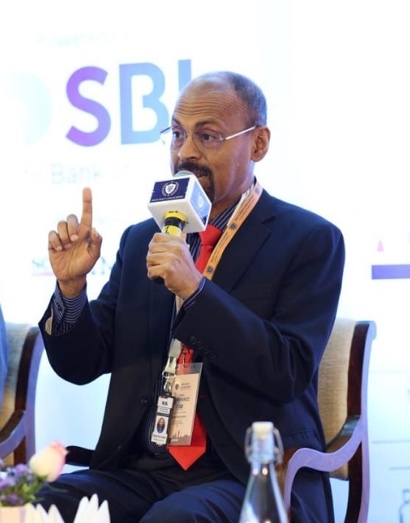

Continuing the discussion, Mr. Debajyoti Ray Chaudhuri, MD & CEO, National E-Governance Services Limited (‘NeSL’), spoke about the evolution of Information Utilities within India’s insolvency framework and the central role played by digital infrastructure. He began by noting that Information Utility as an institution is unique to the Indian insolvency ecosystem, and reflected on NeSL’s early journey, stating that “when we started, we had no choice but to innovate,” as the institution navigated operational challenges and emerging opportunities.
Placing Information Utilities (‘IU’) in the context of India’s digital strength, Mr. Ray Chaudhuri observed that there is one area we are the best and that is India’s digital public infrastructure (‘DPI’), which, he said, is “recognised in every international forum.” Explaining the statutory design of IUs, he noted that IU as an institution is a fully electronic repository,” where you have to identify a person before that person submits information and “any information which needs to be submitted has to be in digital form. Highlighting the scale achieved, he stated, “we started from zero records in 2018,” and today “we have 5 crore plus records,” along with data of “almost 3 crore debtors” and “32 lakh registrations,” adding that “all this would not have been possible without India’s DPI.”
Emphasising the evidentiary credibility of IU records, Mr. Ray Chaudhuri referred to a recent appellate development, noting that if the record of default of the information is there, then they do not have to look at any other document. He explained that this credibility arises because records are submitted and authenticated through digital signatures and stored electronically, with adjudicating authorities able to access them through secure systems. Concluding his remarks, he stated that “the IU is what it is today, a fully electronic, secure and a place, an institution through which you can establish debt and default in a secure manner.”
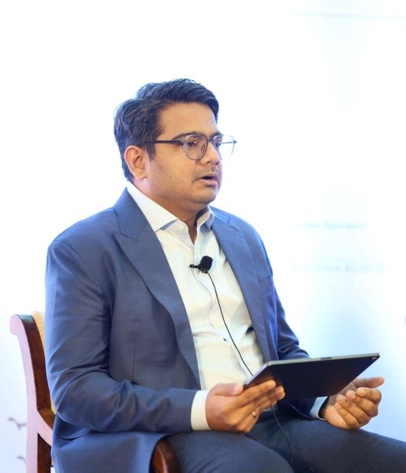

The session was followed by a quick questionnaire by the moderator, Mr. Avinash Subramanian, Partner, AZB & Partners, India, who posed a series of focused questions to the panellists on the functioning of the IBC and the proposed reforms under the IBC (Amendment) Bill, 2025.
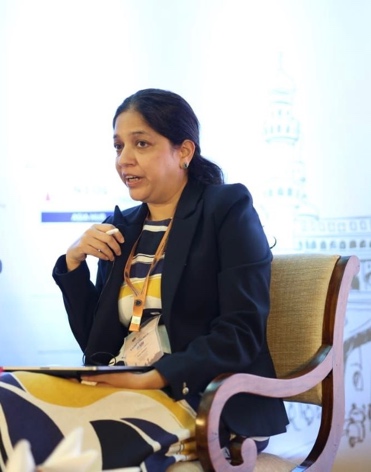

Responding to a question on the evolution of the judicial and adjudicatory process under the IBC, Ms. Pooja Mahajan, Partner, Chandhiok & Mahajan, observed that while the first five years of the Code witnessed strong jurisprudential development and swift admissions, the post-COVID period has been marked by severe capacity and infrastructure constraints. She noted that the system is further strained by frivolous and promoter-driven applications, making capacity building within the adjudicatory ecosystem the most urgent priority.


On the changing role and incentives of banks under the insolvency framework, Mr. Anoop Rawat, Chief General Manager, State Bank of India, stated that although the IBC compelled banks to actively engage with insolvency processes, the focus has increasingly shifted towards recovery rather than resolution. He highlighted the lack of sector-specific expertise, absence of effective interim funding frameworks, and limited institutional capacity to resolve complex and regulated businesses as continuing challenges.
Addressing the IBC (Amendment) Bill, 2025, Mr. Rawat further remarked that while the Bill correctly addresses several practical anomalies and moves towards early and collaborative stress resolution, its success would ultimately depend on recalibrating creditor behaviour, strengthening insolvency professional capabilities, and enabling meaningful promoter engagement.
Speaking on the dichotomy between revival, recovery, liquidation, and the relevance of Section 29A of the IBC, Dr. Sahoo reiterated that Section 29A of the IBC remains both over-inclusive and under-inclusive. He emphasised that liquidation is an equally valid mode of stress resolution and cautioned that avoiding adjudication or liquidation through layered alternatives risks weakening the insolvency framework.
On the role of Information Utilities in early detection of default, Mr. Ray Chaudhuri explained that by prioritising records of default, mandating authentication, and recognising IU data, the proposed amendments enable faster admissions, early curing of defaults, and better value preservation even before the commencement of formal insolvency proceedings.
Finally, responding to a question on the evolving role of insolvency professionals, Ms. Mahajan underscored the need for massive capacity building to reduce fear of disciplinary action, encourage collaboration over contention, and develop sector-specific turnaround expertise.
SESSION 4: The American Dream and Indian Wings
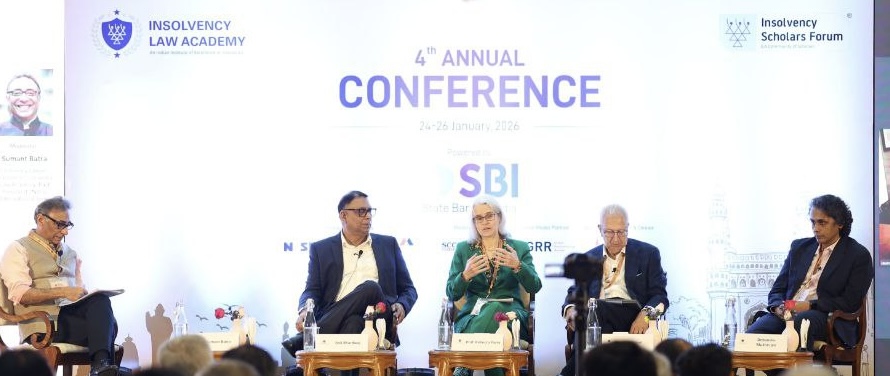

Opening the session, Mr. Batra, Moderator, emphasised that “over the next 8 to 10 years” India will determine not only its economic and geopolitical direction but also “the future of over 65 to 70 million youth of the country which are below 30 years of age,” who currently lack a meaningful voice in policymaking. Drawing from the American experience, he highlighted the importance of empowering citizens to create wealth through systems that fund ideas, accept legitimate failure, and offer the second chance.
“We don’t stigmatize, isolate, ridicule those who fail. We give them the second chance.”
He stressed that India’s journey from job seekers to job creators requires an insolvency framework where failure is not stigmatised and entrepreneurs are treated “with dignity,” giving rise to what he termed “Indian Wings.”
Mr. Anil Bhardwaj, Secretary General, Federation of Indian Micro, Small and Medium Enterprises, India, drew attention to the human cost of business failure, recalling how distressed enterprises often remain “invisible” until tragedy strikes. He pointed out the absence of early restructuring mechanisms, noting that failure frequently leads to imprisonment, prolonged litigation, and destruction of value, unlike jurisdictions where entrepreneurs can re-enter business without stigma.
Speaking virtually, Dr. Jason J. Kilborn, University of Illinois, Chicago (USA), emphasised that successful insolvency regimes are built on embracing “risk-taking and indeed failure,” allowing individuals to “fail, learn, and bounce back stronger.” He noted that effective systems ensure losses are spread efficiently and are inexpensive, widely accessible, and quick, enabling debtors to return to economic life within months.
Prof. Rebecca Parry, Professor and Co-Director, Centre for Business and Insolvency Law, Nottingham Trent University (UK), shared comparative insights from the UK and China, explaining that China introduced personal insolvency through regional pilot models focused on the “honest but unfortunate.” She stressed that legal reform alone is insufficient and must be supported by institutions, public awareness, and capacity building.
Reflecting on the UK experience, Mr. David Grant, Partner, Troutman Pepper Locke, United Kingdom, highlighted the gradual policy shift towards collective value preservation over enforcement, while acknowledging the continuing stigma attached to business failure and the absence of a strong business judgment rule that discourages risk-taking.
Lastly, Mr. Debanshu Mukherjee, Co-Founder, VIDHI Centre for Legal Policy, India, traced India’s insolvency framework to multiple policy drivers but noted that the focus narrowed to corporate insolvency, leaving personal insolvency “quite academic” and largely unimplemented due to concerns around moral hazard, sectoral resistance, and institutional constraints.
The session reinforced that normalising failure, enabling early restructuring, and operationalising personal insolvency are critical to fostering entrepreneurship. Panellists agreed that dignified second chances are essential for unlocking India’s youth-led economic growth.
SESSION 5: Insolvency Law for Civic Bodies: Boosting Credit Profile and Capex of Urban Local Bodies
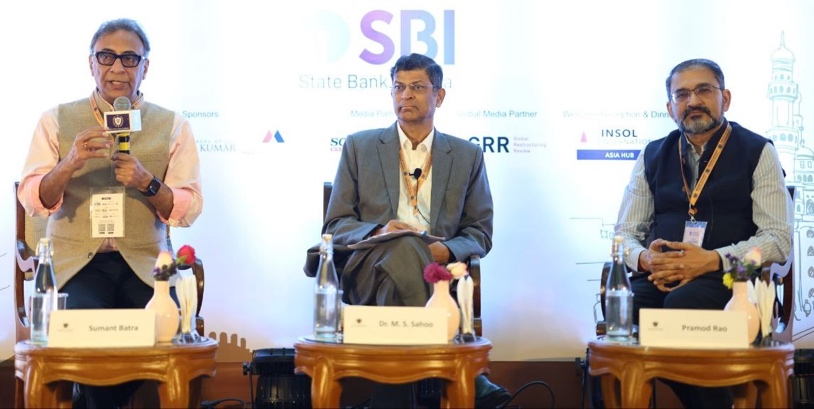

Opening the session, Mr. Batra stated that “to achieve the aspiration of becoming a developed country by 2047 we need a large number of urban centers serving as engines of growth,” while highlighting that municipal corporations face serious constraints in access to finance. He emphasised that while tapping the bond market was a great idea, investor confidence requires “predictability and certainty about how you would pay back those monies in the event of a financial crisis,” which prompted ILA to initiate a debate on a municipal debt restructuring framework.
Mr. Pramod Rao, former Executive Director, Securities and Exchange Board of India, highlighted that municipal bonds globally represent a massive market, noting that in the US the outstanding value exceeds “4 trillion dollars.” Mr. Rao observed that in India, despite SEBI’s regulatory framework and growing issuances, one could not liquidate municipal corporations, making a restructuring mechanism as the only way of dealing with delay or default. He also underscored that municipalities are a unique issuer with power to tax.


Reflecting on the framework, Dr. Sahoo noted that municipalities “need resources and debt is a key means of resources,” observing that in the absence of a resolution framework they are unable to raise funds in a large way. Dr. Laura N. Coordes, Professor of Law, Arizona State University, stressed that even during distress, “essential public services” must continue, emphasising the importance of “early detection,” transparency, and flexibility, and cautioning against a “one-size-fits-all” approach to municipal debt restructuring.
SESSION 6: Navigating IBC’s New Frontier — Cross-Border Insolvency
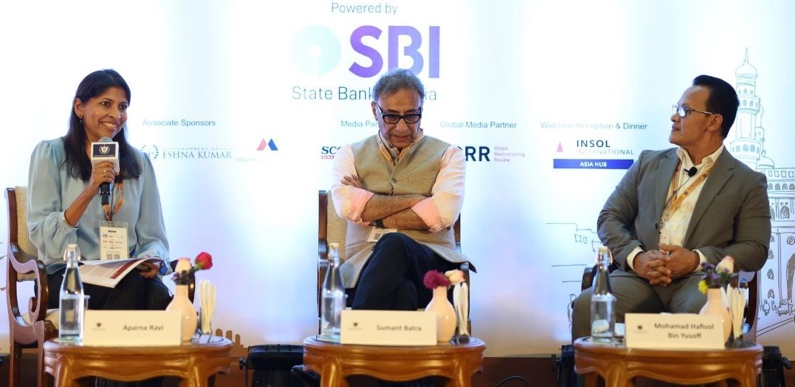

Moderating the session, Ms. Aparna Ravi, Partner, S&R Associates, India, noted that the absence of a dedicated cross-border insolvency framework has remained a concern ever since the IBC was enacted. Referring to the observations of the Joint Parliamentary Committee, she highlighted that without addressing cross-border elements, the Insolvency and Bankruptcy Code would remain “incomplete,” particularly as corporate transactions increasingly involve international and cross-border dimensions. She emphasised that cross-border insolvency could not be ignored for too long.
“Cross-border insolvency or rather the lack or the absence of an adequate framework for cross-border insolvency has been a concern ever since the IBC was enacted.”
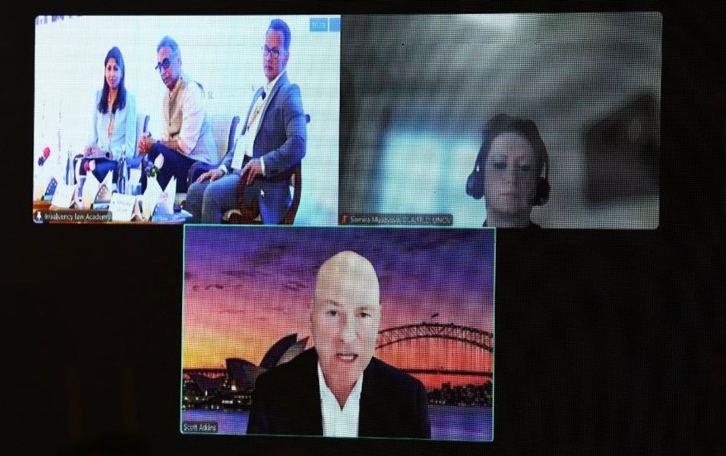

Speaking on global developments, Ms. Samira Musayeva, Senior Legal Officer, UNCITRAL and Secretary, UNCITRAL Working Group V (Insolvency), emphasised that cross-border insolvency is no longer merely a technical coordination tool, but plays a crucial role in ensuring predictability, cooperation, and confidence in cross-border cases. She underscored the importance of transparency, flexibility, and judicial cooperation, noting that jurisdictions must accept a degree of trial and error while adapting the UNCITRAL Model Law to their domestic legal systems. She further highlighted the role of technology, observing that “digital tools significantly improve access to justice, reduce participation costs, and enable creditors to engage meaningfully in foreign proceedings.”
Sharing practical insights, Mr. Scott Atkins, Global Head, Restructuring, Norton Rose Fulbright and Past President, INSOL International, discussed the experience of jurisdictions that have adopted the UNCITRAL Model Law, noting that such regimes benefit from “speed, efficiency and judicial cooperation.” From an investor’s perspective, he remarked that one of the first questions investors ask is what happens if things go wrong, underlining the importance of predictability and clarity in cross-border insolvency frameworks.
Offering a regional perspective, Mr. Datuk Ishak Bakri, Director General of Insolvency, Malaysia, reflected on Malaysia’s adoption of the UNCITRAL Model Law, stating that its appeal lay in its flexibility and the discretion it provides to courts. He noted that this approach enables coordination without rigid outcomes and has helped position Malaysia as a jurisdiction that facilitates cross-border insolvency and investment.
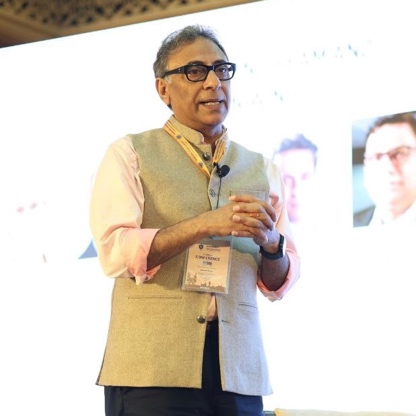

Concluding the session, Mr. Batra traced India’s long journey towards cross-border insolvency reform, noting that while progress has been incremental, the enabling provision marks a decisive step forward. He emphasised that effective implementation would hinge on capacity building, judicial cooperation, and shaping the right narrative around cross-border insolvency.