


The India International Disputes Week 2026 (IIDW) continued with Day 2 on the theme of “Family & Criminal Disputes”, examining cross-border custody battles, financial remedies in transnational divorce and the borderless realities of modern criminal practice. Held at JW Marriott, Chandigarh, the Conference drew judges, senior advocates, and international specialists to unpack enforcement gaps, forum shopping, and the urgent need for harmonized mechanisms.
KEYNOTE ADDRESS
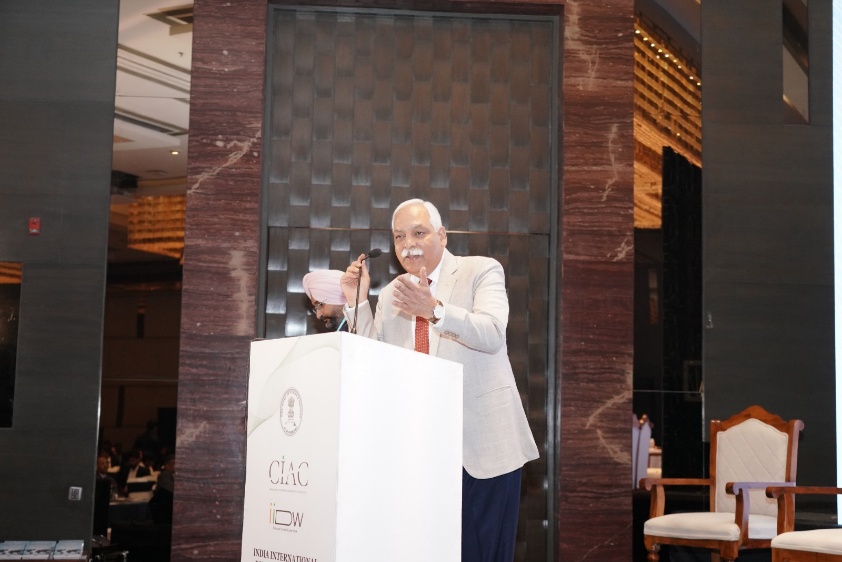
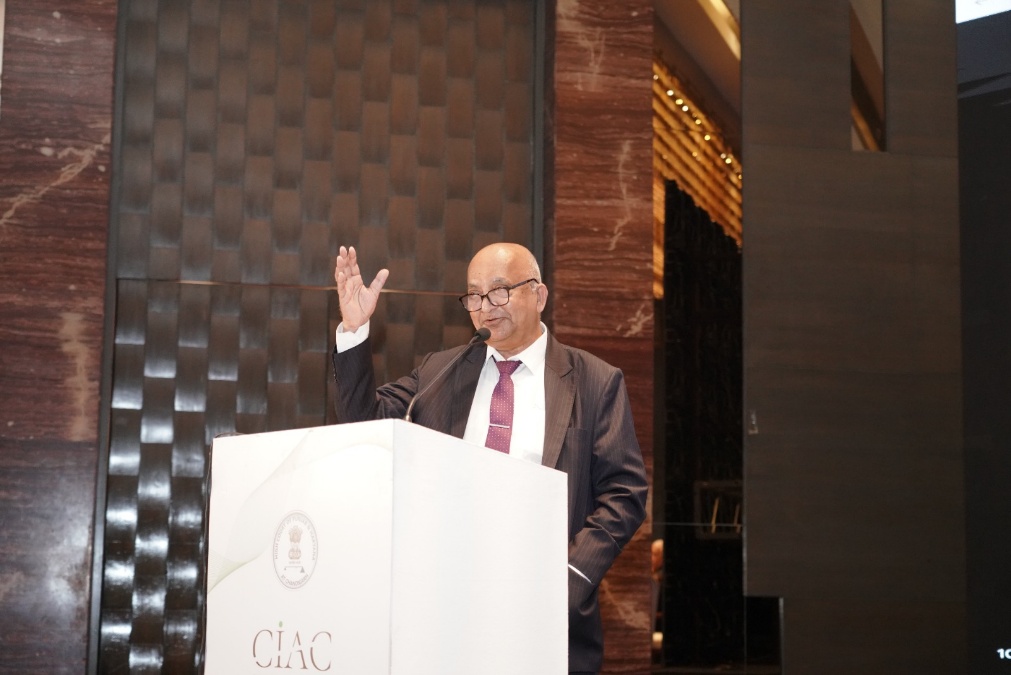
The keynote address delivered by Justice Devendra Kumar Upadhyaya, Chief Justice, Delhi High Court, highlighted the rise of Non-Resident Indian (NRI) and cross-border marriages due to global migration, leading to increasing disputes related to divorce, maintenance, and child custody across jurisdictions. He emphasized the growing issue of parental child abduction and the need for India to consider joining international frameworks like the Hague Convention on the Civil Aspects of International Child Abduction, 1980, to better address such cross-border family disputes.

PANEL 3: INTERNATIONAL CHILD CUSTODY, CROSS-BORDER RELOCATION AND ABDUCTION
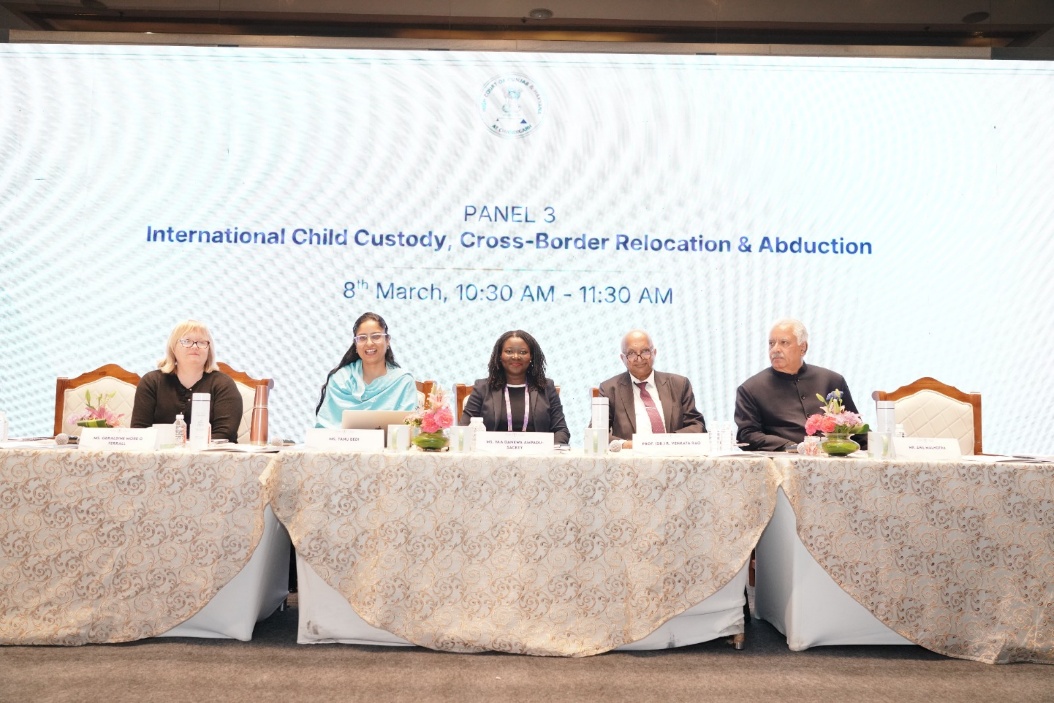
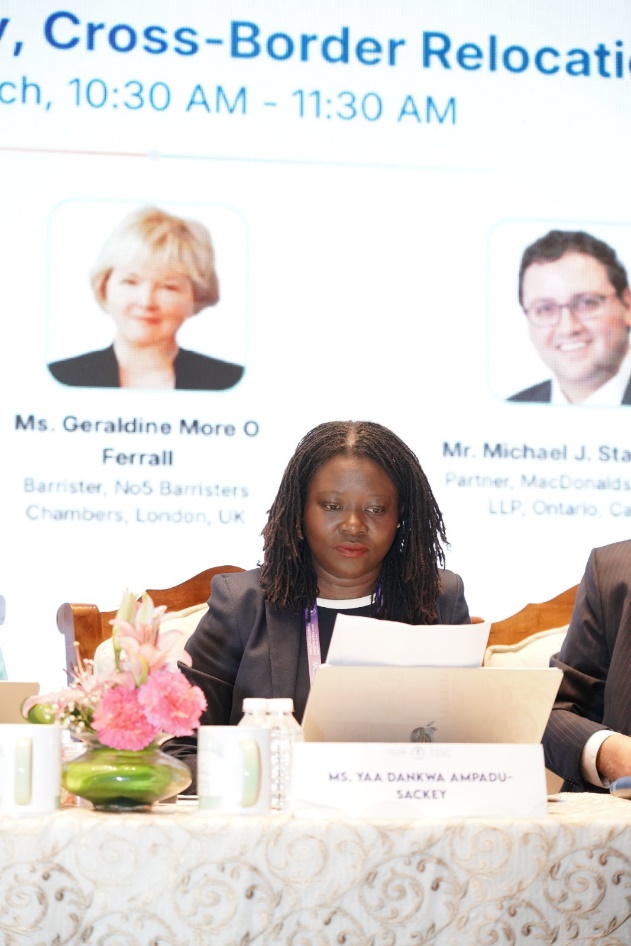

The moderator, Ms. Yaa Dankwa Ampadu-Sackey, Barrister, Four Brick Court, London, UK, framed cross-border custody disputes as lying at the intersection of sovereignty, human mobility, and deep emotional vulnerability, due to transnational marriages and globalized careers increasingly generating unilateral removals, relocation conflicts, and competing jurisdictional claims. Against this backdrop, the panel examined how different systems respond to these disputes and what a coherent Indian approach should look like in the absence of the Hague Convention.
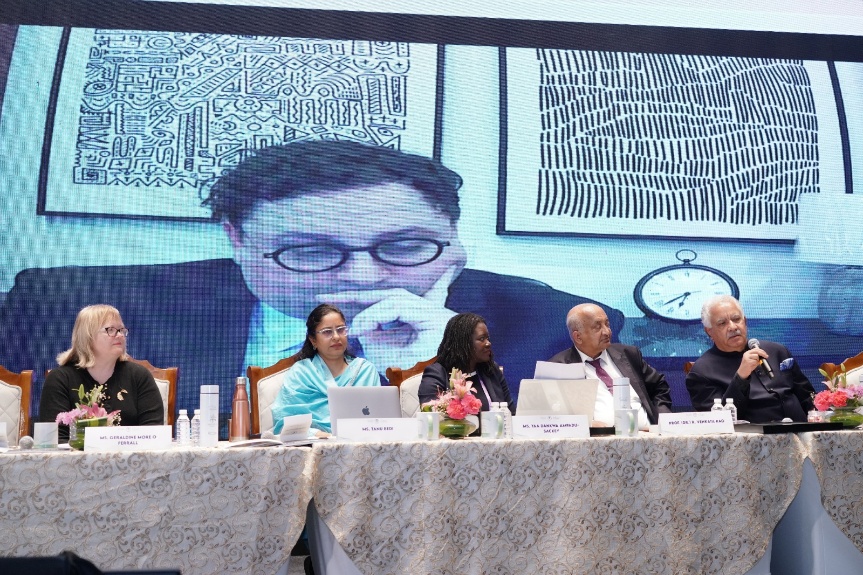
From the standpoint of a Hague signatory, Canadian family law practitioner Mr. Michael J. Stangarone, Partner, MacDonalds & Partner LLP, Ontario, Canada, explained that the Hague Convention was incorporated into Ontario law through the Children’s Law Reform Act, thereby creating a uniform jurisdictional framework centered on the child’s habitual residence. Its object is not to decide custody but to secure the prompt return of children wrongfully removed or retained, and to ensure that rights of custody and access that are recognised in one contracting State are respected in another. He emphasised that the Hague Convention proceedings are designed as swift, threshold determinations of jurisdiction rather than full-scale welfare enquiries, supported by institutional architecture, i.e., each signatory must establish a central authority to help locate missing children, liaise with law enforcement, issue stay communications to domestic courts under Article 16, and streamline the process so that return applications are ordinarily decided within approximately six weeks.

The discussion then turned to India’s position as a non-Hague jurisdiction. Prof. R. Venkata Rao, Vice Chancellor, International University of Legal Education and Research, (LIULER), Goa, traced how India ratified the UN Convention on the Rights of the Child (UNCRC) in 1992 by executive action, without enacting a comprehensive implementing statute. Even so, UNCRC principles especially the “best interests of the child” in Article 3 have filtered into domestic law via instruments such as the Juvenile Justice (Care and Protection of Children) Act, 2015, whose definition of “best interests” now serves as an important guidepost in custody and guardianship matters.
Prof. Rao argued that while UNCRC has significantly influenced Indian welfare jurisprudence, it cannot function as an effective substitute for the Hague Convention’s regime as it does not create reciprocal enforcement machinery, fixed timelines for deciding return applications, or central authorities with defined cross-border responsibilities. He therefore called for a dedicated institutional and legislative architecture in India an inter-country parental child removal authority, a stand-alone statute codifying procedures and timelines, specialised High Court benches, and even bilateral arrangements with high-incidence countries to move decision-making away from pure judicial discretion and towards more predictable, welfare-sensitive outcomes.
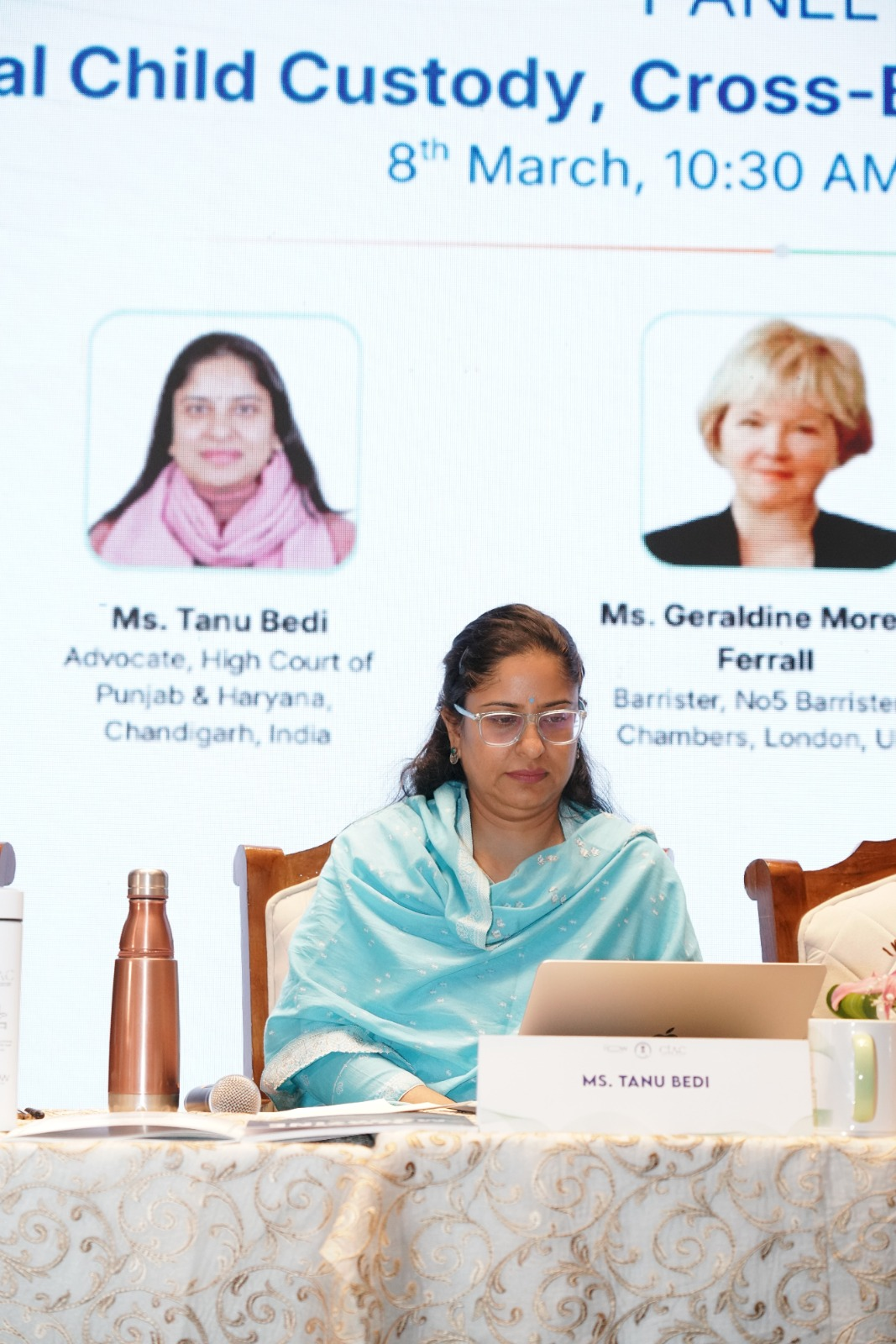

Ms. Tanu Bedi, Advocate, High Court of Punjab & Haryana, Chandigarh, highlighted that although India is not a signatory to the Hague Convention, Indian Courts decide cross-border child custody disputes based primarily on the welfare and best interests of the child. The concept of prompt return to the child’s habitual residence, central to the Hague Convention’s framework, is considered in India only when it aligns with the child’s welfare. Indian jurisprudence has evolved through several Supreme Court decisions, showing varying approaches to foreign custody orders. Ultimately, the determination of whether to return a child or retain jurisdiction rests on the Court’s interpretation of the child’s welfare in each case.
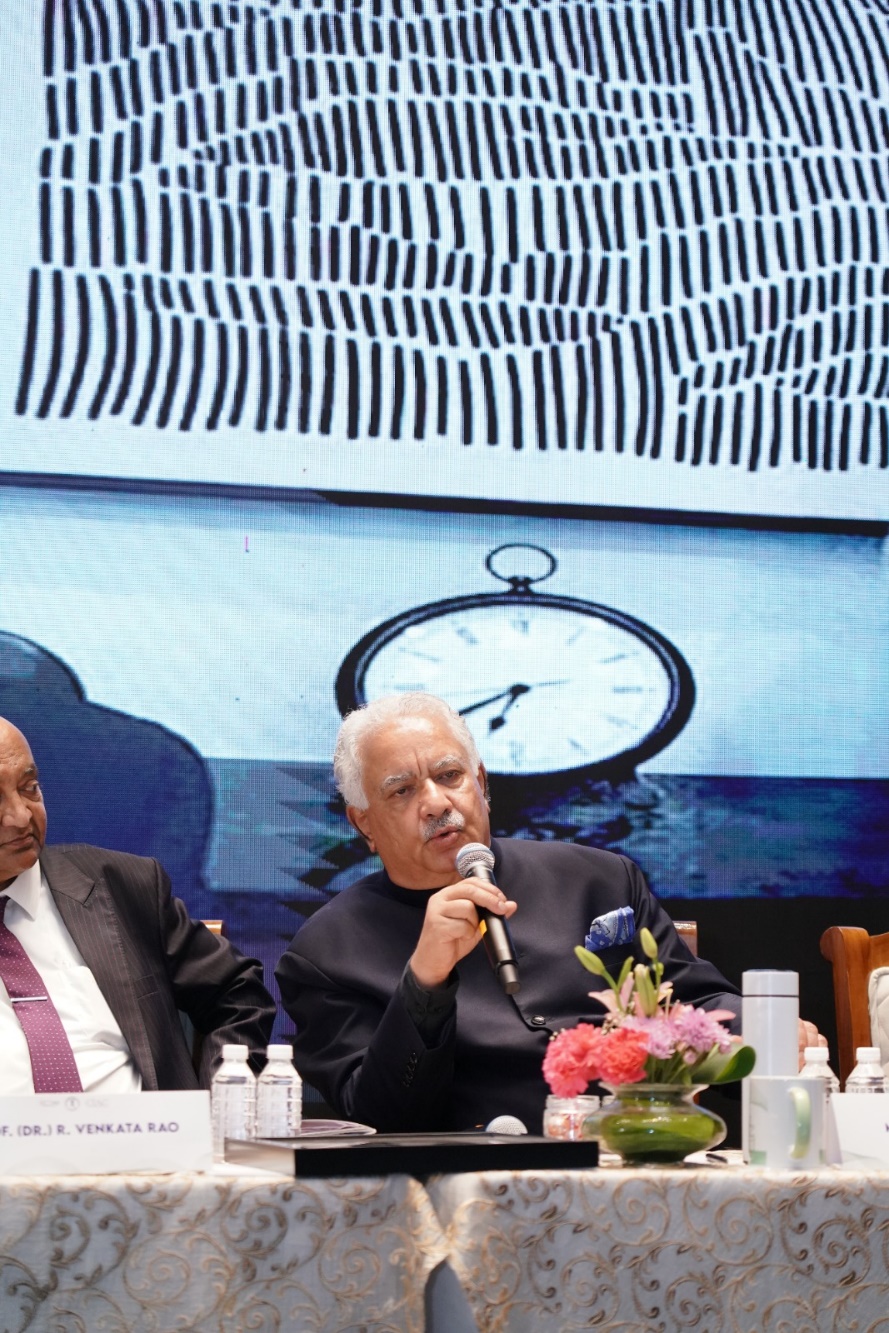
Mr. Anil Malhotra, Senior Advocate, High Court of Punjab & Haryana, Chandigarh, provided a practitioner’s perspective grounded in four decades of cross-border family litigation. He pointed out that India’s core guardianship framework still rests on the colonial-era Guardians and Wards Act, 1890, which is premised on singular custody and does not acknowledge concepts such as shared parenting or joint custody. While statutes such as Hindu Minority and Guardianship Act, 1956, recognises both parents as natural guardians, Indian law does not treat wrongful removal or retention of a child as a distinct civil wrong or criminal offence in the manner of many Hague jurisdictions. In practice, foreign custody and relocation orders brought to India are tested under Sections 13 and 14 of the Civil Procedure Code, 1908 (CPC), so ex parte or procedurally deficient decrees often fail that test, and there is no doctrine of “mirror orders” that would automatically translate foreign arrangements into enforceable Indian orders.
Mr. Malhotra traced Supreme Court jurisprudence from early cases such as Surinder Kaur1 and Elizabeth Dinshaw2, where Indian Courts gave decisive weight to foreign orders and directed return, whereas later decisions including Dhanwanti Joshi3, Sarita Sharma4 and Nithya Anand Raghavan®5, re-centred the analysis on welfare and treated foreign decrees as one among several factors. The result, he suggested, is a welfare-based model in which “best interests” remains undefined, applied case-by-case and heavily dependent on the individual judge’s assessment.

Adding to the discussion, Ms. Geraldine O’Farrell, Partner, MacDonalds & Partner LLP, Ontario, Canada, highlighted that even in jurisdictions firmly embedded in the Hague Convention system, Courts continue to wrestle with the tension between the Convention’s emphasis on swift return and a richer, more nuanced understanding of children’s welfare. Referring to decisions of the UK Supreme Court, she noted that while the overall scheme of the Hague Convention has been interpreted as operating in children’s best interests in a structural sense, the text itself speaks in the language of prompt return and jurisdiction rather than welfare, and that grave-risk defences have evolved to take domestic abuse, psychological harm, and other vulnerabilities more seriously.
The session concluded with a forward-looking note. India, it was suggested, stands at an inflection point, with an opportunity to develop a hybrid model that marries global norms with Indian constitutional values, and that consistently treats the child not as an object of jurisdictional contest, but as the centre of any justice framework in international custody disputes.
PANEL 4: SERVICE OF PROCESS, RECOGNITION & ENFORCEMENT OF FOREIGN DIVORCE AND CUSTODY DECREES
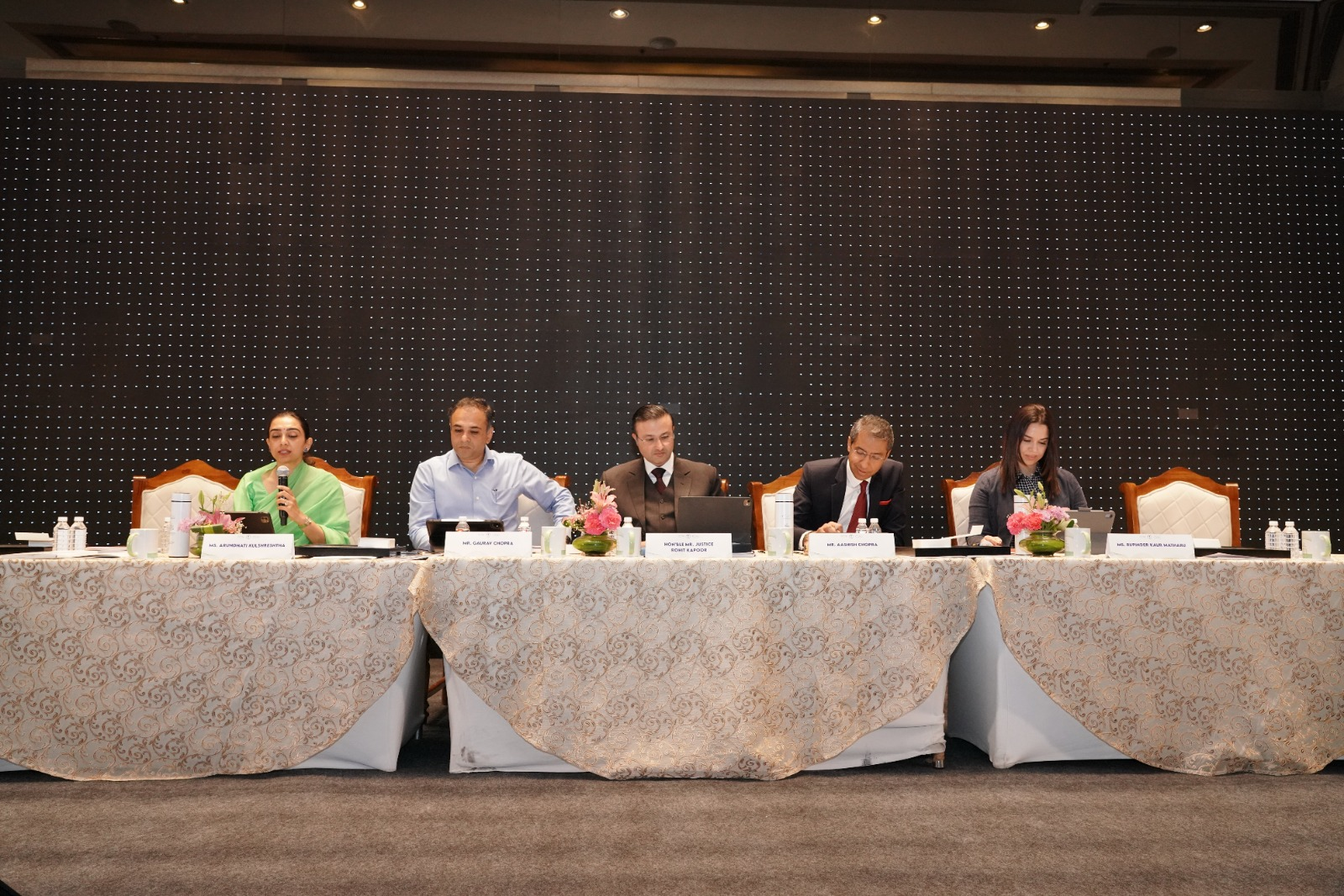
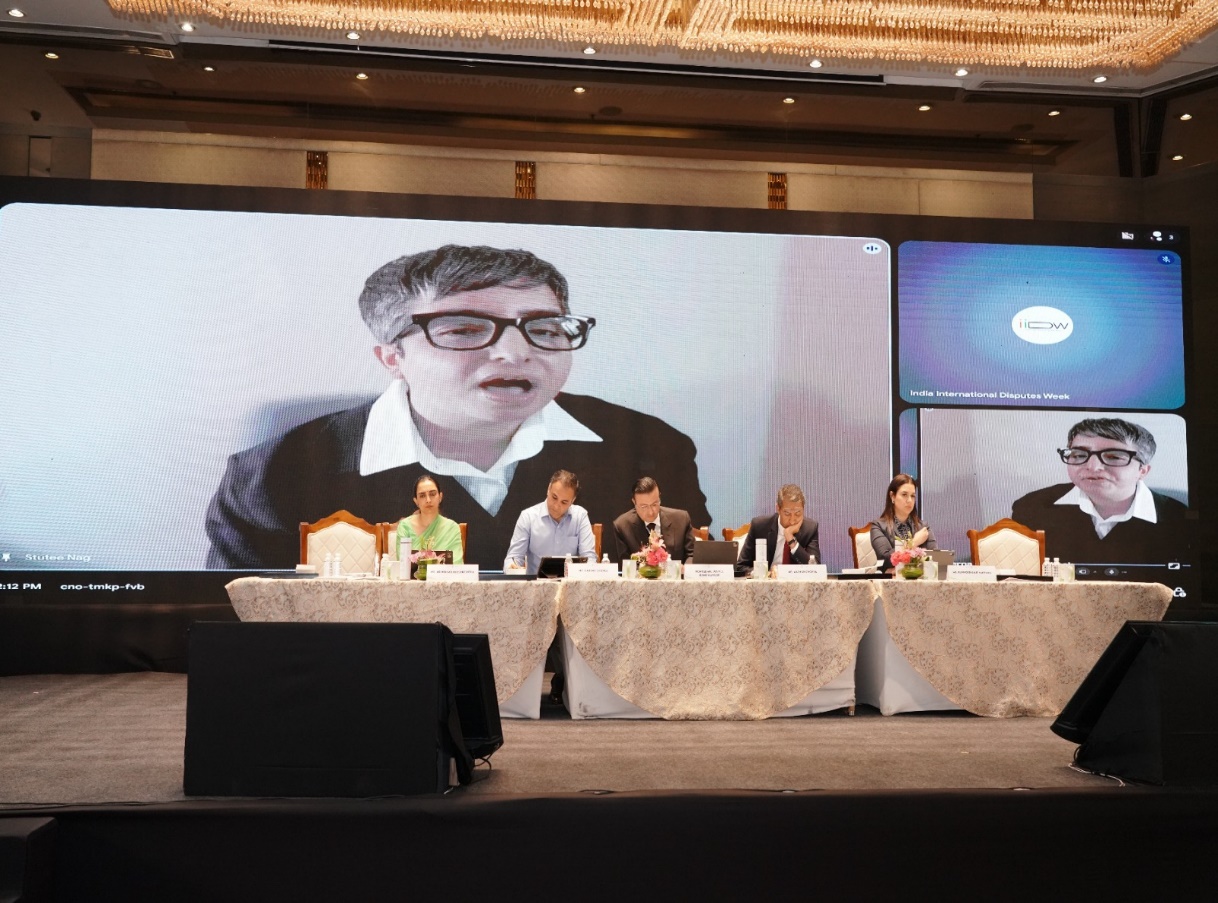
Organized by CIAC (Chandigarh International Arbitration Centre), under the Punjab & Haryana High Court, this session included esteemed panelists namely, Justice Rohit Kapoor, Judge, High Court of Punjab & Haryana, Chandigarh, Mr. Aashish Chopra, Senior Advocate, High Court of Punjab & Haryana; Mr. Gaurav Chopra, Senior Advocate, High Court of Punjab & Haryana; Ms. Rupinder Matharu, Solicitor, Mediator & Head of Family Law, Rakasons, London, UK; Ms. Stutee Nag, Dual qualified Attorney, International Family Law, USA, and was moderated by Ms. Arundhati Kulshreshtha, Advocate, High Court of Punjab & Haryana.
PANEL 5: CROSS-BORDER FINANCIAL RELIEF IN DIVORCE
This panel examined how India, the UK and the US handle property division, maintenance, and support when marriages and assets span multiple jurisdictions.
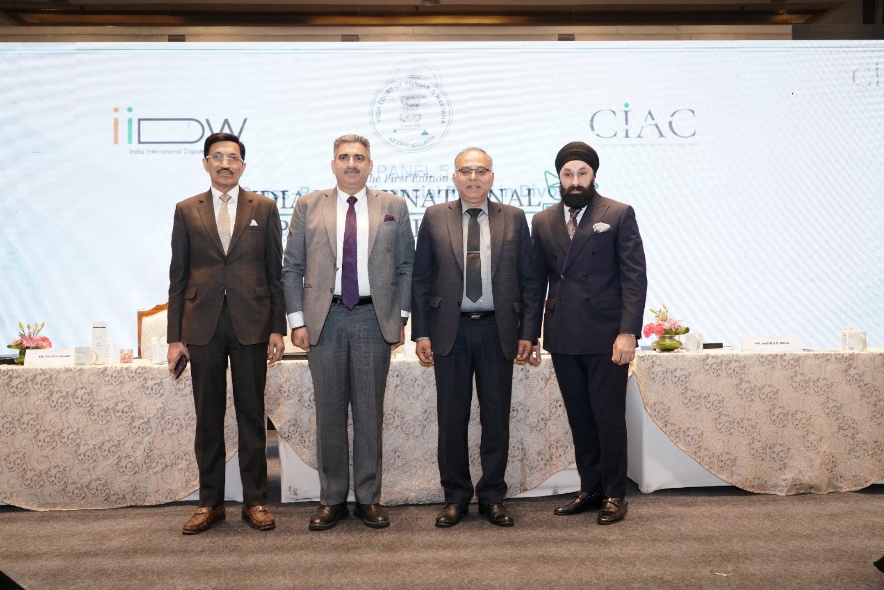
Moderated by Mr. Baldip Singh, Barrister & Master of the Bench & Deputy District Judge, UK, the session was organised in collaboration with the American Bar Association, bringing together a judge, senior advocates and US family law specialists for a practitioner-focused conversation on enforcement gaps, forum shopping, and the search for harmonisation.
From the US perspective, Mr. Andrew Botros, Principal Attorney, Board Certified Family Law Specialist, California, USA, outlined the typical financial orders in American family law, i.e., child support, spousal support, and property division, backed by strong domestic enforcement tools and a clear hierarchy of priorities. Child support enjoys the highest protection and can even reach pension entitlements, whereas spousal support and property judgments are enforced through writs of execution, levies, and sheriff action, albeit via technically demanding procedures. Internationally, he noted, most US states including California do not insist on reciprocity so, an Indian maintenance or support judgment will ordinarily be recognised unless the foreign judiciary lacks impartial tribunals.

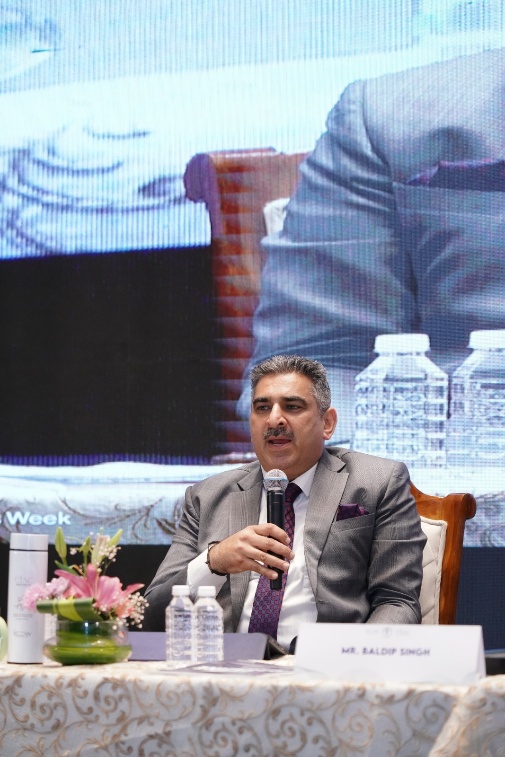
Mr. Baldip Singh contrasted this with the UK’s structured regime under the Matrimonial Causes Act, 1973, built around full worldwide disclosure, valuation of all assets into a single pot, and a default 50—50 division adjusted under Section 25 factors such as income, earning capacity, and housing needs. English Courts aim to resolve financial remedy cases within 6—12 months and favour a clean break wherever possible, using lump sums, pension sharing, and property transfers so that ex-spouses can sever financial ties and move on. This model sits uneasily alongside systems that rely on long-term maintenance rather than capital redistribution, particularly when assets are located abroad and difficult to trace or value.
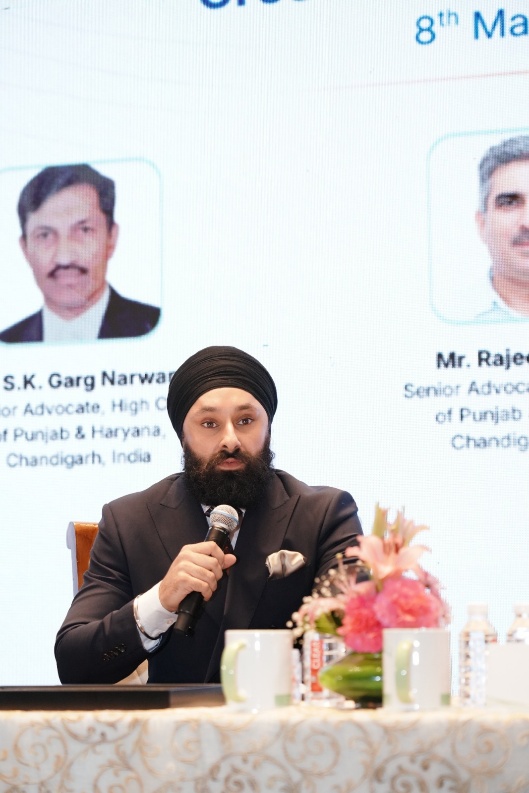
Taking the discussion forward, Indian speakers mapped a far more fragmented landscape.Mr. Rajeev Anand, Senior Advocate, High Court of Punjab & Haryana, explained that matrimonial finances are governed by multiple statutes; personal law codes like the Hindu Marriage Act and the Special Marriage Act on status and divorce, Section 125 Criminal Procedure Code, 1973, and the Domestic Violence Act on maintenance and compensation, and CPC on recognition and enforcement of foreign decrees. Sections 13—14 CPC restricts when a foreign judgment is “conclusive”, while Section 44A provides a simplified execution mechanism only for decrees from reciprocating territories. In practice, much asset distribution occurs through negotiated settlements in conciliation and judicial discretion is concentrated on fixing interim and permanent maintenance, rather than re-allocating property as in the UK.
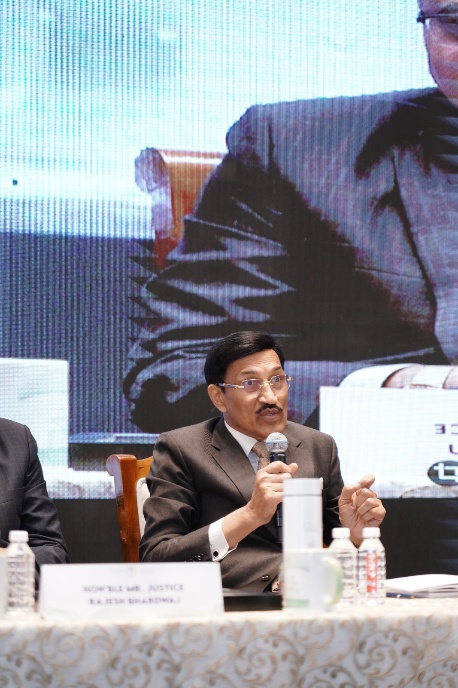

Mr. S.K. Garg Narwana, Senior Advocate, High Court of Punjab & Haryana, candidly observed that, in his experience, Indian courts rarely transfer ownership of a husband’s property to the wife, and maintenance awards are usually modest and survival-oriented rather than transformative. A foreign wife seeking to execute a generous overseas financial order in India must normally file a fresh suit where the husband can challenge the foreign decree under Section 13 CPC, leading to another decade or more of litigation, followed by appeals. Coupled with the absence of streamlined cross-border procedures, these delays encourage forum shopping, multiple proceedings, and tactical behaviour around service and residence.
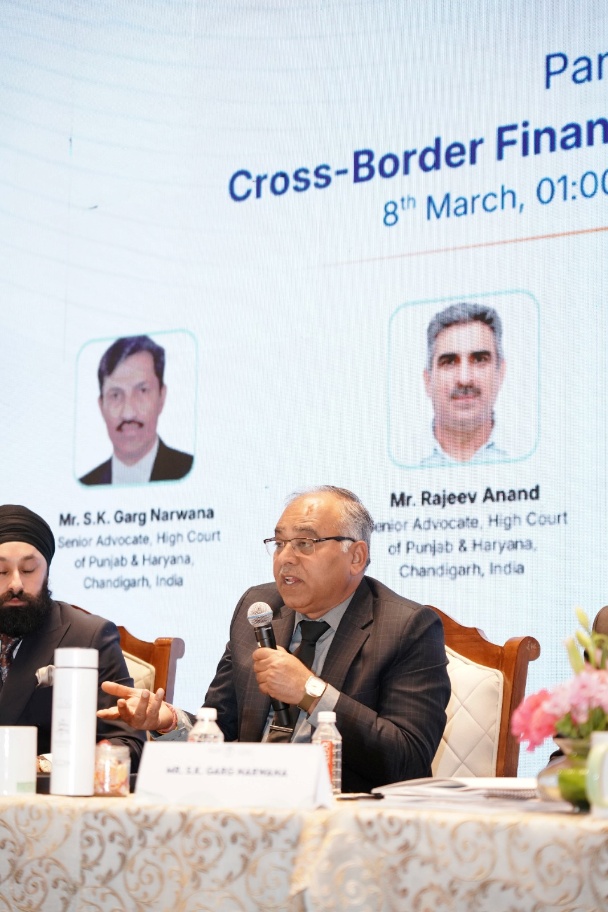
Justice Rajesh Bhardwaj, Judge, High Court of Punjab & Haryana, underscored the structural and cultural context in which these issues play out. Foreign orders directing the sale of Indian immovable property, he explained, cannot be mechanically implemented; territorial jurisdiction lies where the property is situated, and any foreign decree must first clear the Section 13 CPC tests of competence, natural justice, and consistency with Indian law before execution can even be contemplated. He also highlighted that, in India, marriage is still treated as a sacrament rather than a contract; divorce remains deliberately slow, with cooling-off periods and staged statements designed to allow reconciliation, and personal laws and customs continue to shape expectations about asset holding and spousal obligation.
Justice Bhardwaj and Mr. Narwana called for international or at least bilateral frameworks between closely connected jurisdictions such as India, UK, and USA, setting out common rules on trial procedure, service including through embassies and online modes, video-conference participation and execution of foreign matrimonial decrees. It was stressed that any harmonisation must respect personal laws but develop clear jurisdictional rules and something akin to cross-border res judicata to curb parallel litigation.
Drawing on the success of the Uniform Child Custody Jurisdiction and Enforcement Act, 1997, across 50 American states, Mr. Andrew Botros suggested a similar uniform statute for financial relief, under which only one country would have jurisdiction at a time, regardless of divergent substantive laws.
Mr. Singh proposed that, in the longer term, India, the UK and the US should aim for mutual trust in each other’s financial remedies orders whether based on clean break or long-term maintenance so long as jurisdiction and due process are sound, recognising that effective cross-border financial relief is ultimately about access to justice and litigants’ ability to rebuild their lives with clarity and dignity.
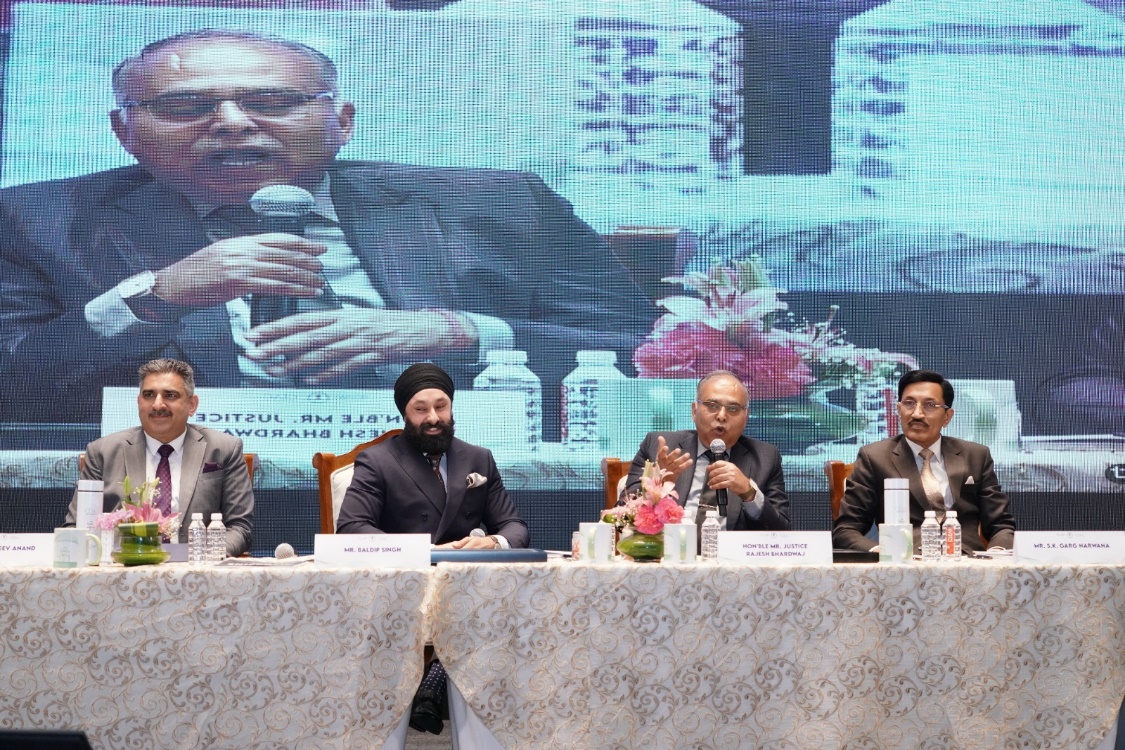

PANEL 6: CRIMINAL LAW WITHOUT BORDERS: THE NEW REALITY FOR INDIAN PRACTITIONERS
This panel explored the shift in criminal practice from domestic FIRs and trials to a transnational toolkit of lookout circulars, Interpol notices, extradition requests, and international cooperation mechanisms.
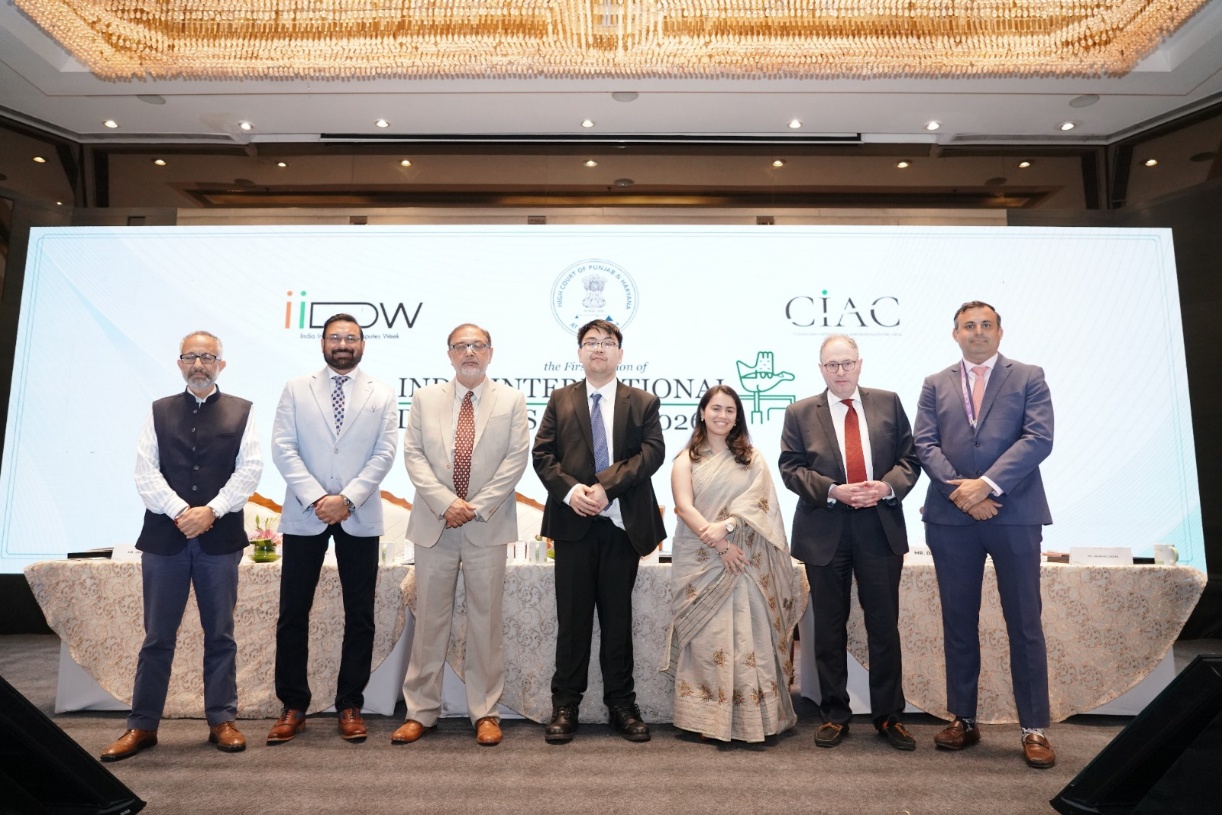
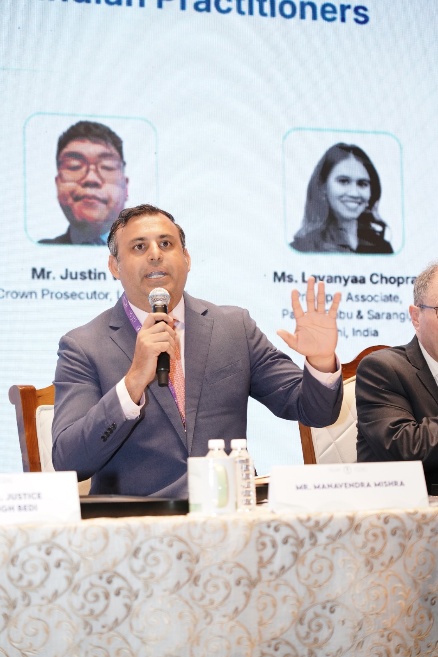
Mr. Manavendra Mishra, Partner, Khaitan & Co., Delhi, India, Mumbai, the moderator, opened with a provocative contrast between high-profile economic fugitives like Nirav Modi and Vijay Mallya and early successes such as Abu Salem’s return from Portugal, signalling that the traditional Indian criminal process of FIR, charge sheet, and trial has evolved to include pretrial border controls and global pursuit.
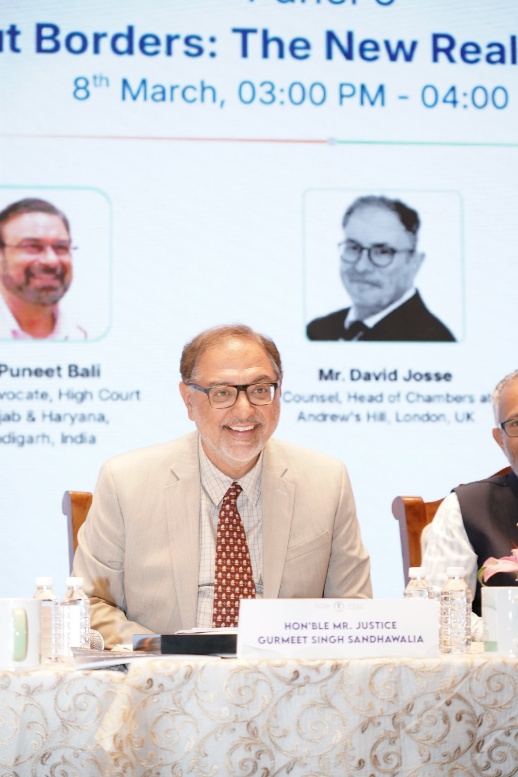
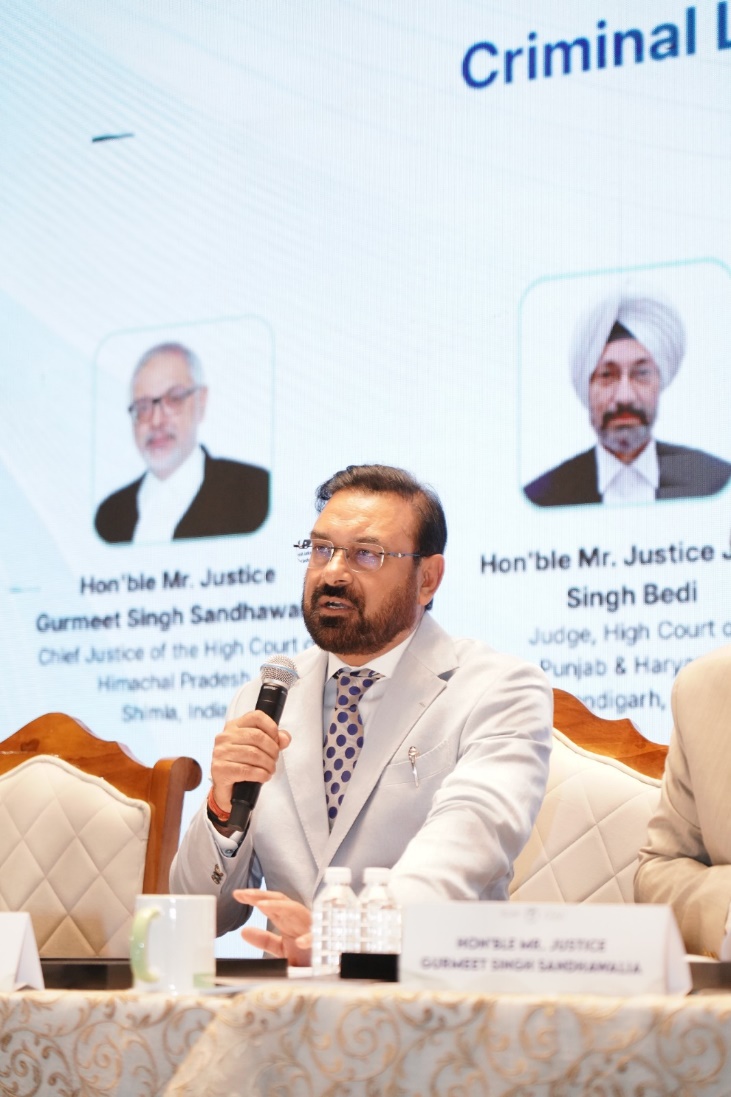
Justice Gurmeet Singh Sandhawalia, Chief Justice, High Court of Himachal Pradesh, defined cross-border criminal law as frameworks enabling prosecution of crimes planned in one country and executed in another, such as cyberfraud, human trafficking and terrorism, necessitating international cooperation on extradition, evidence sharing, and mutual legal assistance to close jurisdictional gaps. He illustrated with everyday cyber scams where gangs operate overseas, siphoning funds instantly and freezing accounts requires swift interagency collaboration, underscoring that “international cooperation is the word of the day”.
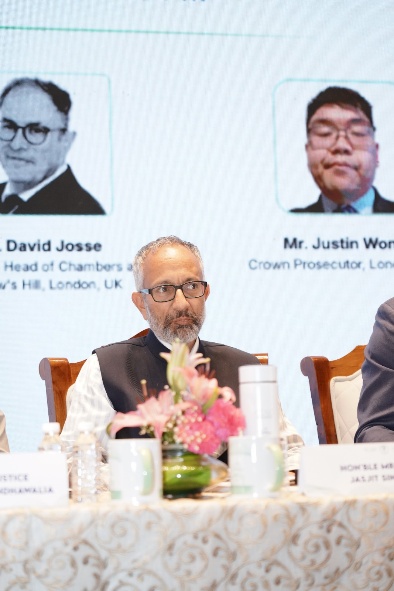

Justice Jasjit Singh Bedi, Judge, High Court of Punjab & Haryana, explained India’s mechanisms: a Lookout Circular prevents a person from taking a flight abroad when an offence is committed domestically, whereas for perpetrators acting from overseas, local police approach the Central Bureau of Investigation (India’s Interpol Nodal Agency) for a Red Corner Notice (RCN) seeking arrest and surrender, or a Blue Corner Notice for information on potential suspects. Other notices include Purple (cybercrime/organised crime intel), Green (warnings), Yellow (missing persons), and Black (unlawful acts), but execution varies, i.e., India often arrests promptly on an RCN, while the UK subjects it to judicial scrutiny. Safeguards apply, such as assurances against the death penalty for murder fugitives, and dual criminality ensuring the conduct is an offence in both jurisdictions is a core pre-condition.​
Mr. Puneet Bali, Senior Advocate, High Court of Punjab & Haryana, noted that Indian writ courts can quash RCNs or foreign warrants if they violate Article 21 of the Constitution, liberty rights or local law, as in Bhavesh Jayanti Lakhani v. State of Maharashtra, (2009) 9 SCC 551, where a father’s legal custody of a child trumped a US RCN.
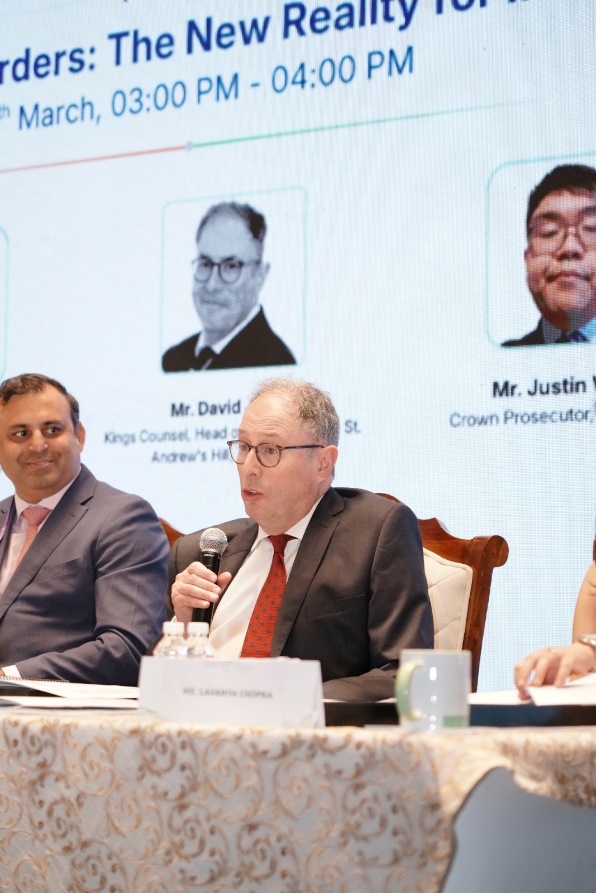
Mr. David Josse, Kings Counsel, Head of Chambers at 5 St. Andrew’s Hill, London, described England’s exhaustive system, where dual criminality is rarely a bar but human rights such as, prison conditions, trial delay, and asylum claims often delay or derail returns, as seen with Modi and Mallya currently in Wandsworth Prison despite losing High Court appeals.

Furthermore, Ms. Lavanyaa Chopra, Principal Associate, Panag, Babu & Sarangi, Delhi, emphasised coordinating a unified narrative across borders: economic offences like corruption trigger cascading probes (CBI, ED, SFIO, IT, DGGI, FEOA) domestically, and abroad (DOJ, SFO, ACC), so defence requires local counsel and consistent strategy to avoid conflicting positions.
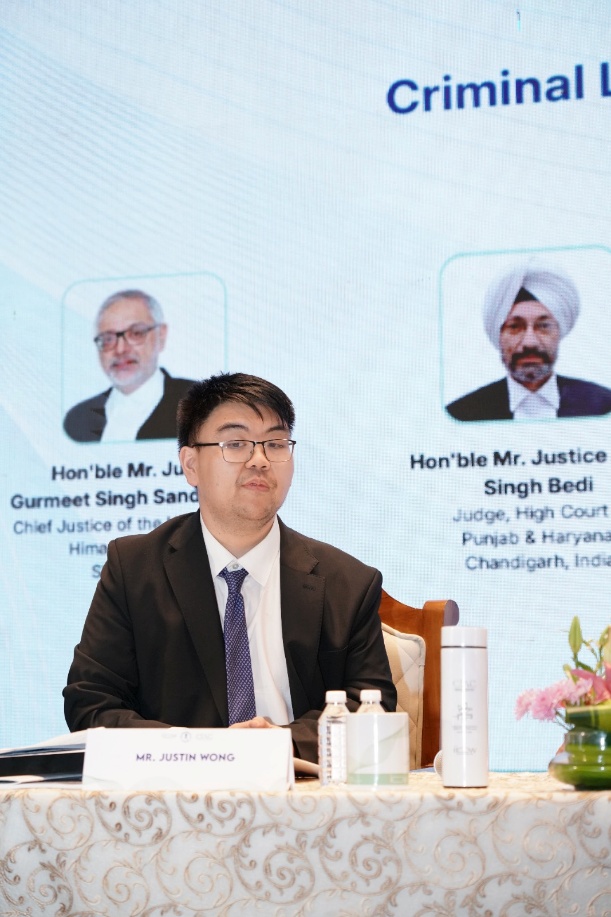
Mr. Justin Wong, Crown Prosecutor, London, UK, noted that “safe havens” persist due to shifting politics, human rights scrutiny, and legal gaps including specificity in digital crimes, with delays between requests exacerbating problems. Adding to this, Mr. Bali listed various notorious destinations for example, Switzerland, Singapore or UAE where millionaire influxes exploit weak enforcement, reminding that Interpol lacks arrest powers as it is a “scanner” for coordination via national bureaus like India’s CBI.
The panel agreed that India has matured in obtaining intel, but extradition lags without treaties, and the defence counsel must leverage procedural integrity challenges, while prosecution bears the onus of robust requests. The session closed affirming that criminal law’s borderless evolution demands sophisticated, collaborative practice for Indian lawyers facing transnational fugitives and digital threats.
PANEL 7: ASSET TRACING, ECONOMIC OFFENCES & PARALLEL PROCEEDINGS
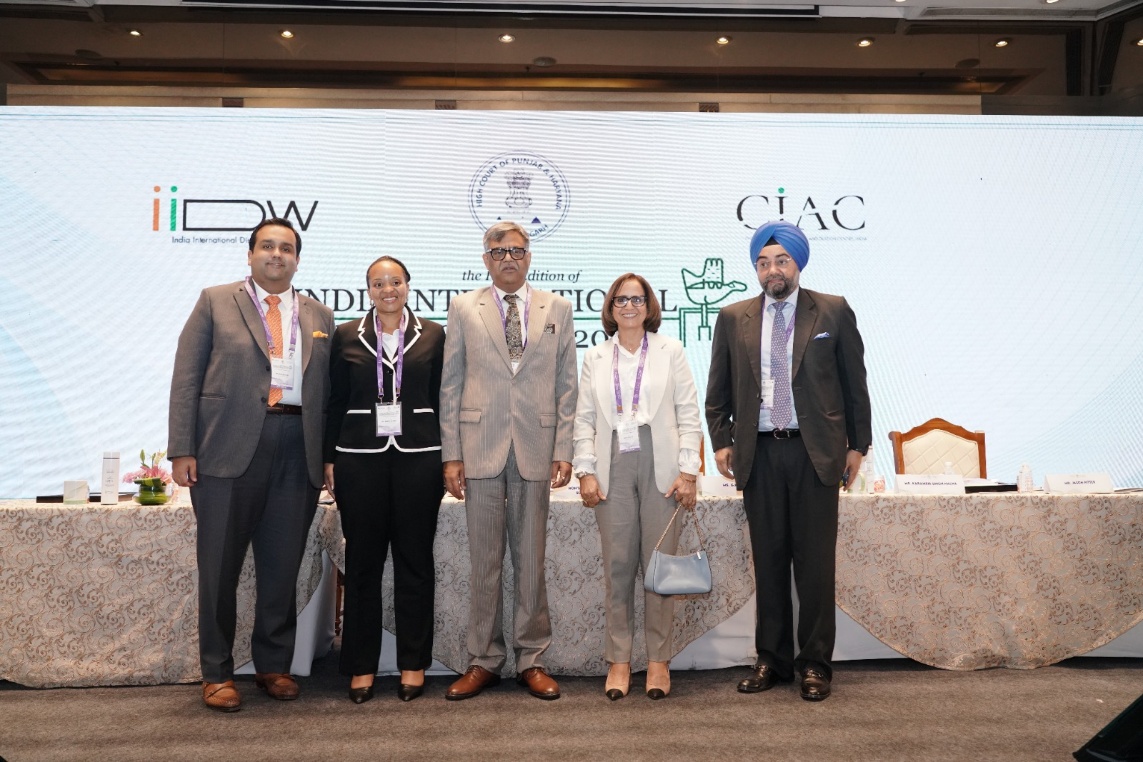
The CIAC organized this panel on the pressing topics of asset tracing, economic offences, and parallel proceedings. The panelists included Justice Sumeet Goel, Judge, High Court of Punjab & Haryana; Mr. Karambir Singh Nalwa, Senior Advocate, High Court of Punjab & Haryana; Ms. G. K. Maan, Senior Advocate, High Court of Punjab & Haryana; Mr. Jason Pitter KC, New Park Court Chamber (Leeds), UK; Mr. Chirag Naik, Partner, MZM Legal LLP, Mumbai & Delhi; and the moderator Ms. Akilah Mance, General Counsel & Director of Government Affairs at Houston Forensic Science Centre, Texas, USA.
DEBATE: PROPOSITION V. OPPOSITION
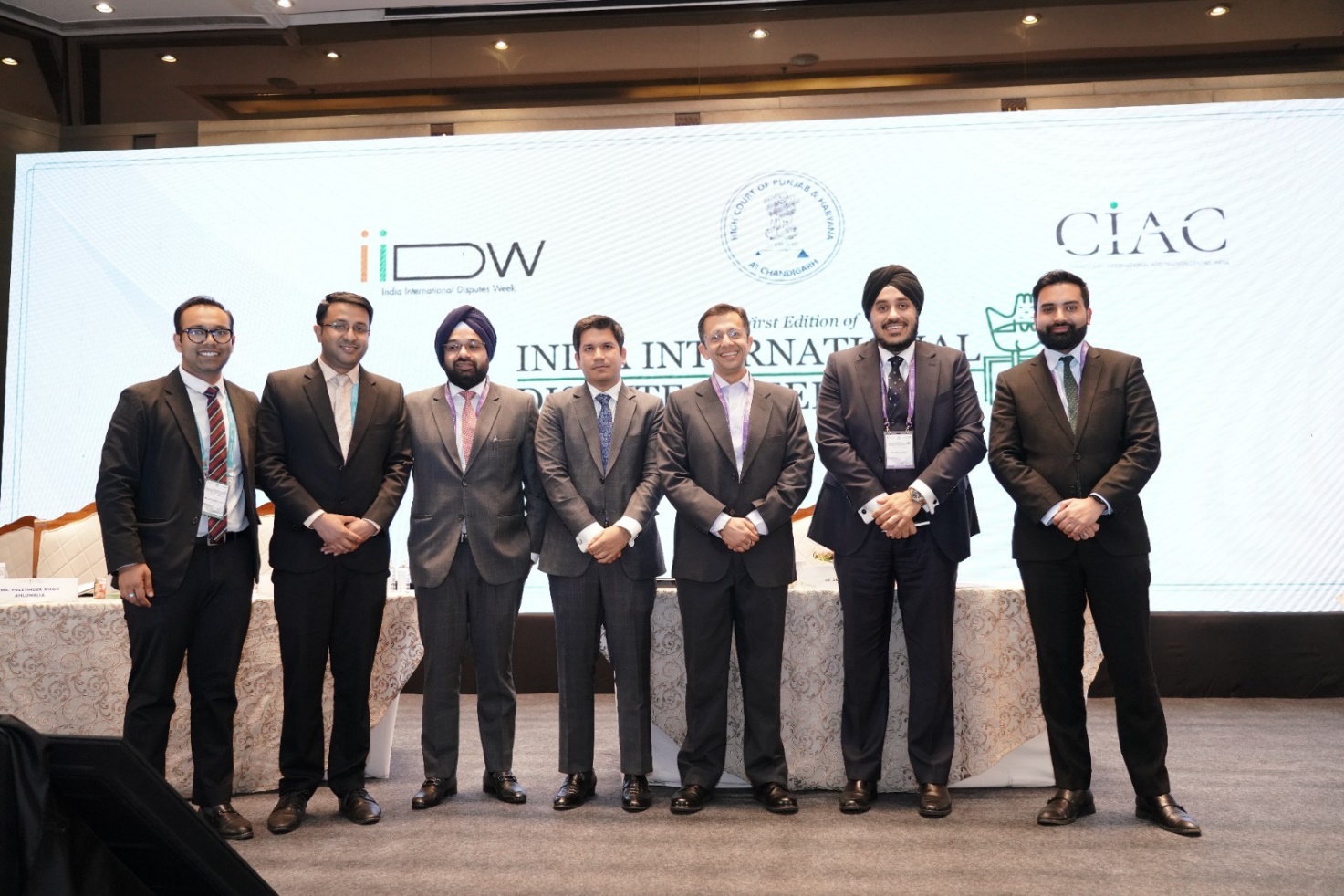
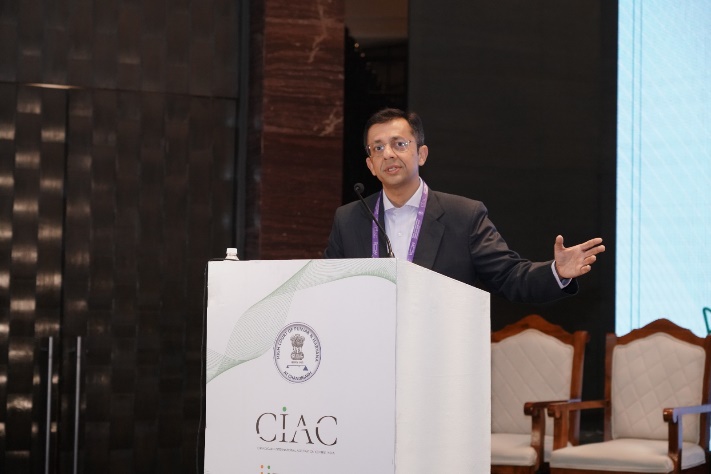
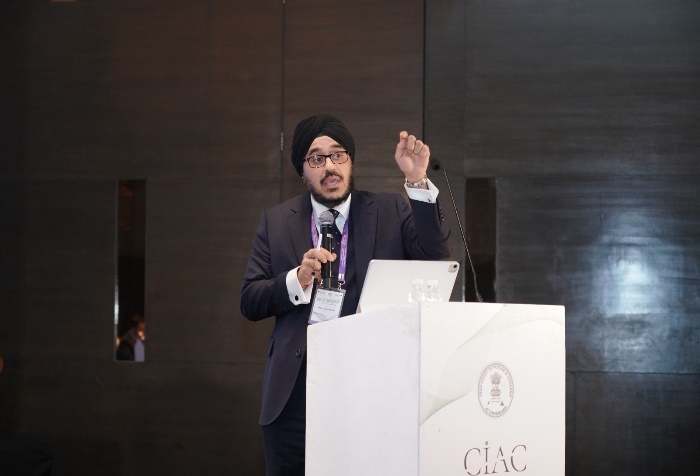

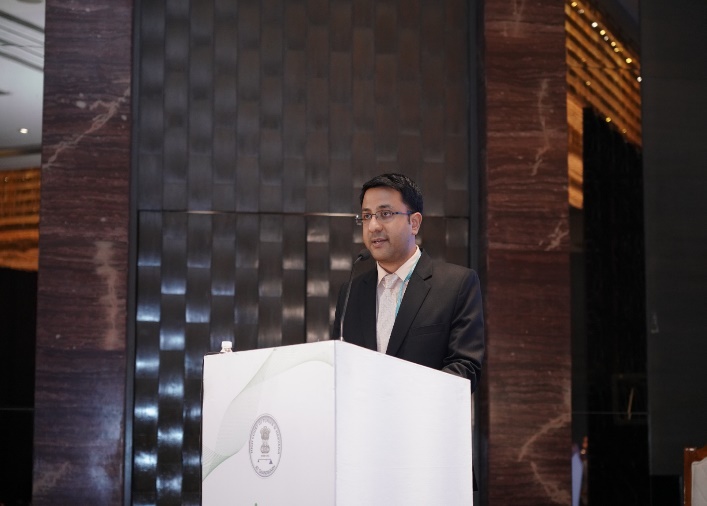
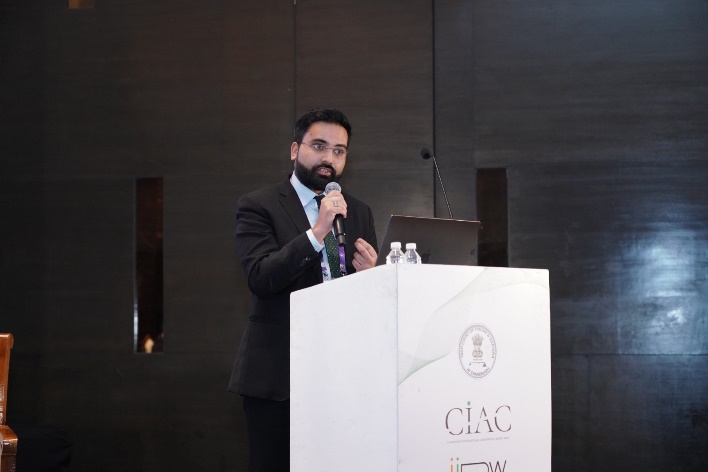
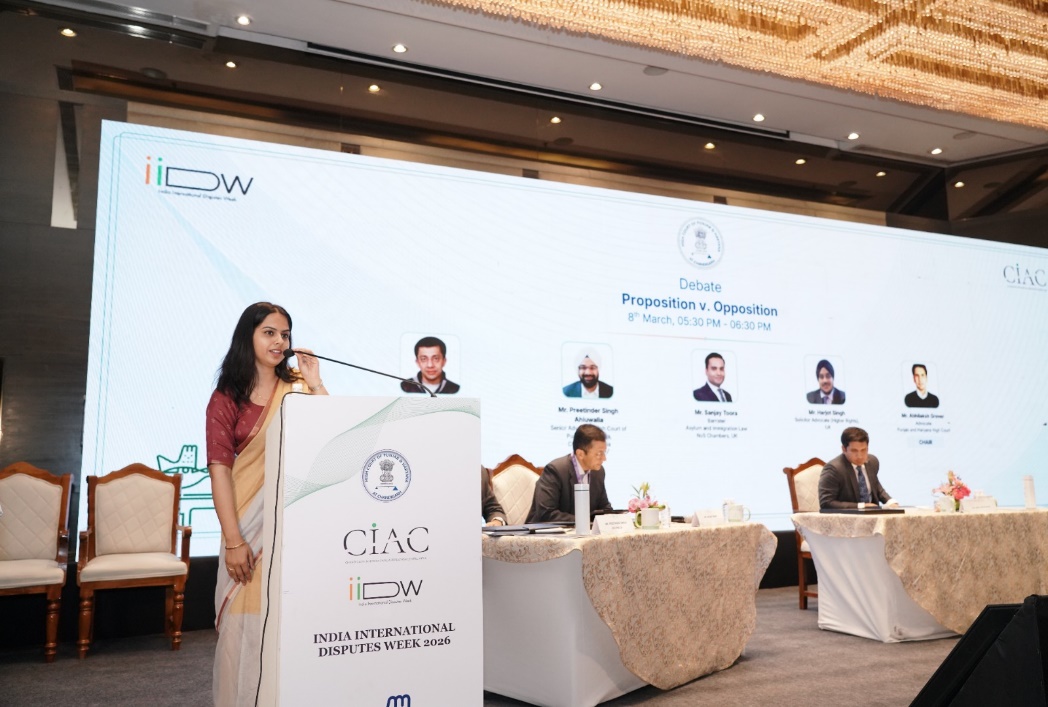

The last segment of the day comprised of one of the most anticipated sessions of India International Disputes Week 2026, leading voices from the bar for a compelling Proposition v. Opposition Debate. The Motion for the debate was “This House believes that the United Kingdom’s extradition framework allows Indian economic fugitives to weaponize due-process protections, exposing a deep mistrust of India’s justice system.” The participants comprised of distinguished legal luminaries including: Mr. Akshay Bhan, Senior Advocate, High Court of Punjab & Haryana; Mr. Preetinder Ahluwalia, Senior Advocate, High Court of Punjab & Haryana; Mr. Sanjay Toora, Asylum & Immigration Barrister, No. 5 Barrister’s Chambers, London, UK; Mr. Harjot Singh, Solicitor & Advocate, Supreme Court of England & Wales, UK; and it was chaired by Mr. Abhilaksh Grover, Advocate, High Court of Punjab & Haryana.
Thus, the insightful discussions of Day 2 of IIDW 2026 captured resolution of family and criminal disputes, dissolution of borders through collaboration, reform and mutual trust, and India’s position as a dispute resolution hub.
*Tej Singh Gill EBC-SCC OnLine Student Ambassador, UILS, Panjab University
1. Surinder Kaur Sandhu v. Harbax Singh Sandhu, (1984) 3 SCC 698
1. Elizabeth Dinshaw v. Arvand M. Dinshaw, (1987) 1 SCC 42
2. Dhanwanti Joshi v. Madhav Unde, (1998) 1 SCC 112
3. Sarita Sharma v. Sushil Sharma, (2000) 3 SCC 14
4. Nithya Anand Raghavan v. State (NCT of Delhi), (2017) 8 SCC 454