


AI, Legal Reasoning and the Human Element in Arbitration
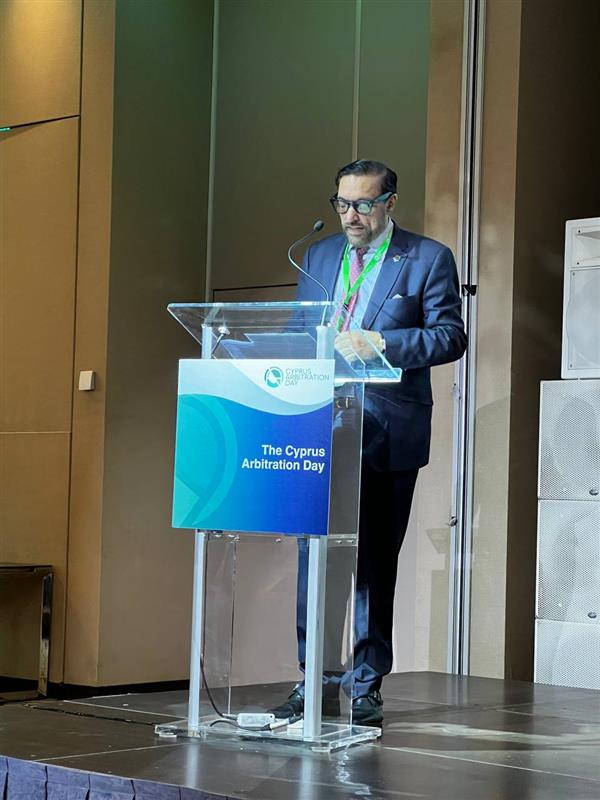

Delivering the opening remarks, Mr. Amir Singh Pasrich, LPD Secretary-Treasurer and IBA Treasurer, International Bar Association, reflected on how international arbitration had evolved into a shared legal language connecting practitioners across jurisdictions and legal systems. Addressing the increasing role of artificial intelligence in legal practice, he cautioned against fear-driven narratives surrounding technology and instead advocated for its responsible integration into arbitration and litigation.
He observed:
“The question is not whether AI belongs in legal practice. It already does. The question is whether legal institutions are prepared for its long-term cognitive consequences.”
Emphasising the importance of preserving legal reasoning and human judgment, he further noted:
“Every great legal system is built not only on judgments and statutes, but on generations of disciplined legal reasoning.”
Mr. Pasrich stressed that while AI could become a significant tool in legal practice, it could not replace the human aspects of advocacy, analytical reasoning, persuasion, and adjudication that remain foundational to arbitration.
Cyprus’ Positioning as a Regional Arbitration Hub
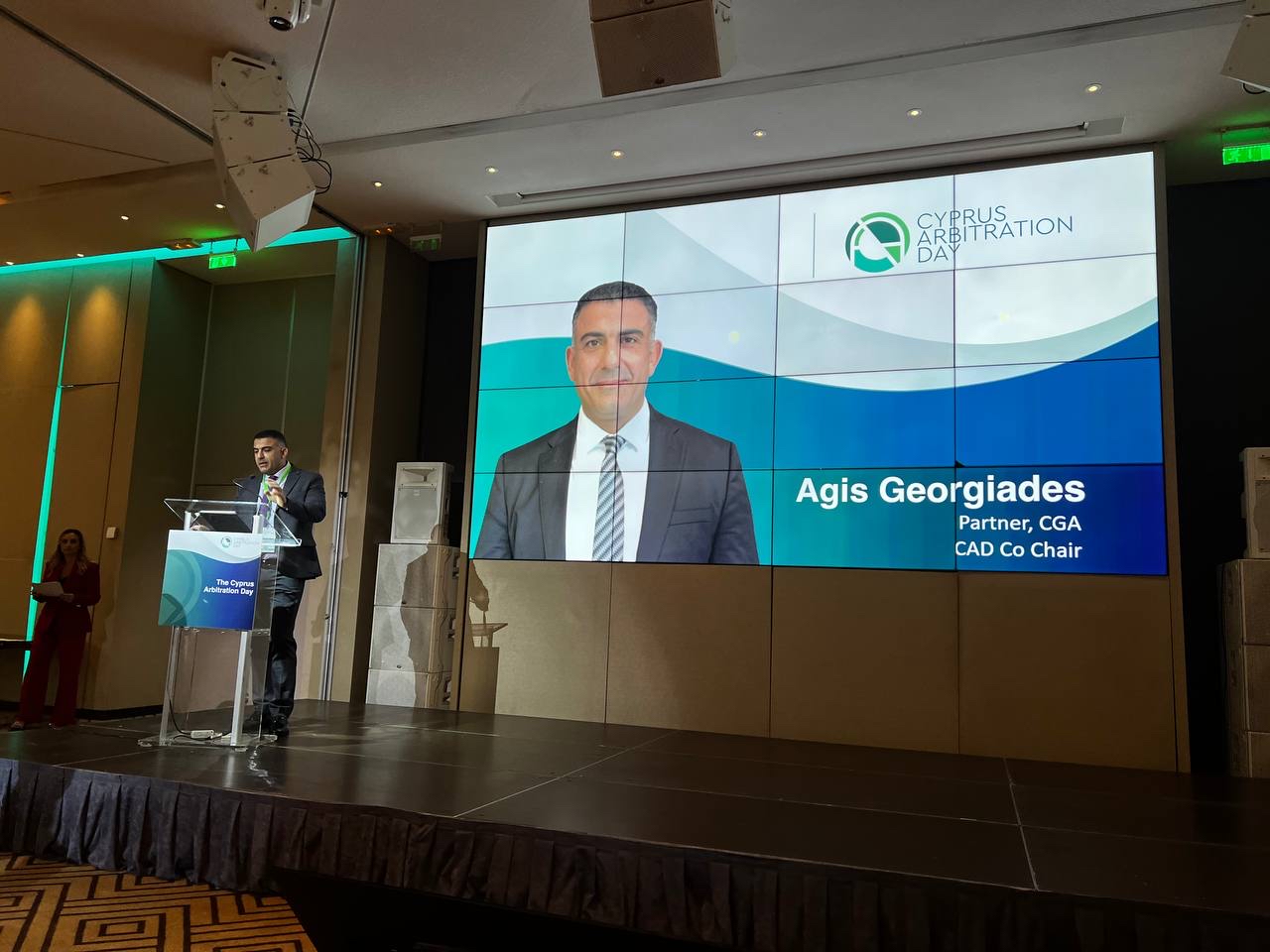

Mr. Agis Georgiades, Partner, CGA and CAD Co-Chair, highlighted arbitration as “an essential pillar of a modern justice system and a key component to an attractive and competitive business environment.” Referring to Cyprus’ strategic geographical position connecting Europe, the Middle East, and Asia, he stated that the jurisdiction possessed the legal infrastructure, professional expertise, and institutional capability necessary to emerge as a significant regional arbitration centre.
Discussing the establishment of the Cyprus Arbitration and Mediation Centre (CAMC), he described it as a milestone initiative reflecting a long-term commitment towards promoting efficient, transparent, and internationally credible dispute resolution services.
Addressing the increasing influence of technology in dispute resolution, he remarked:
“The question is no longer whether AI will influence arbitration, but rather how arbitration can responsibly integrate technological innovation while preserving the fundamental principles of professional fairness, human judgment, and ethical integrity.”
His remarks underscored the broader concern that while arbitration must evolve technologically, institutional trust, neutrality, and procedural fairness must remain central to its legitimacy.
Cyprus’ Arbitration Reforms and International Dialogue
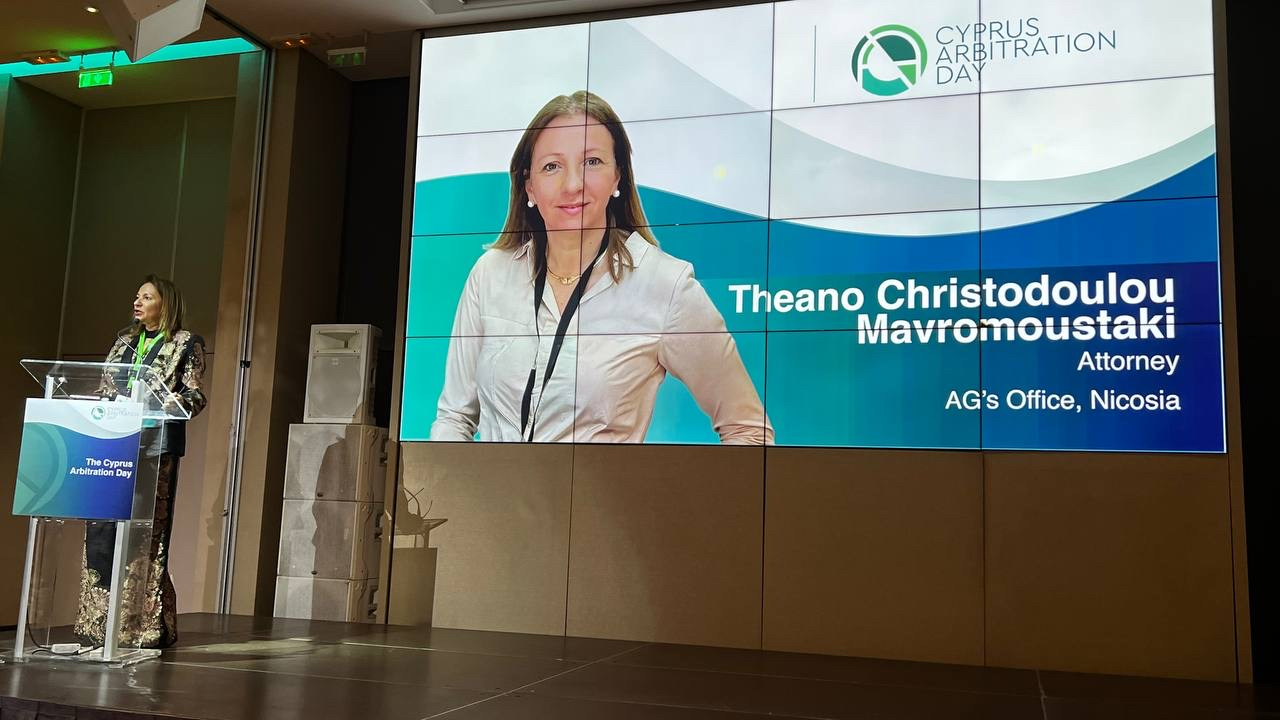

In her concluding remarks during the opening ceremony, Ms. Theano Christodoulou, Attorney of the Republic of Cyprus, referred to Cyprus’ ongoing engagement with arbitration reforms and discussions taking place during the country’s European Council presidency. She noted that arbitration-related developments had increasingly found place on the institutional agenda and indicated that further discussions on Cyprus’ proposed legislative reforms would follow during the conference.
Highlighting the importance of continued dialogue and collaboration, she invited participants to actively engage with the upcoming discussions and observed. The address concluded with appreciation for the conference and emphasis on the importance of international cooperation and institutional dialogue in advancing arbitration frameworks and best practices across jurisdictions.
The inaugural session ultimately laid the foundation for broader discussions throughout the conference on arbitration reform, institutional credibility, and the growing intersection between technology and dispute resolution.